



Bouldering, a form of rock climbing performed on smaller rock formations or indoor walls without the use of ropes, has seen a significant rise in popularity across the United Kingdom. Beyond the obvious physical conditioning it provides, enthusiasts and sports psychologists are increasingly highlighting the mental discipline and cognitive problem-solving inherent in the practice.
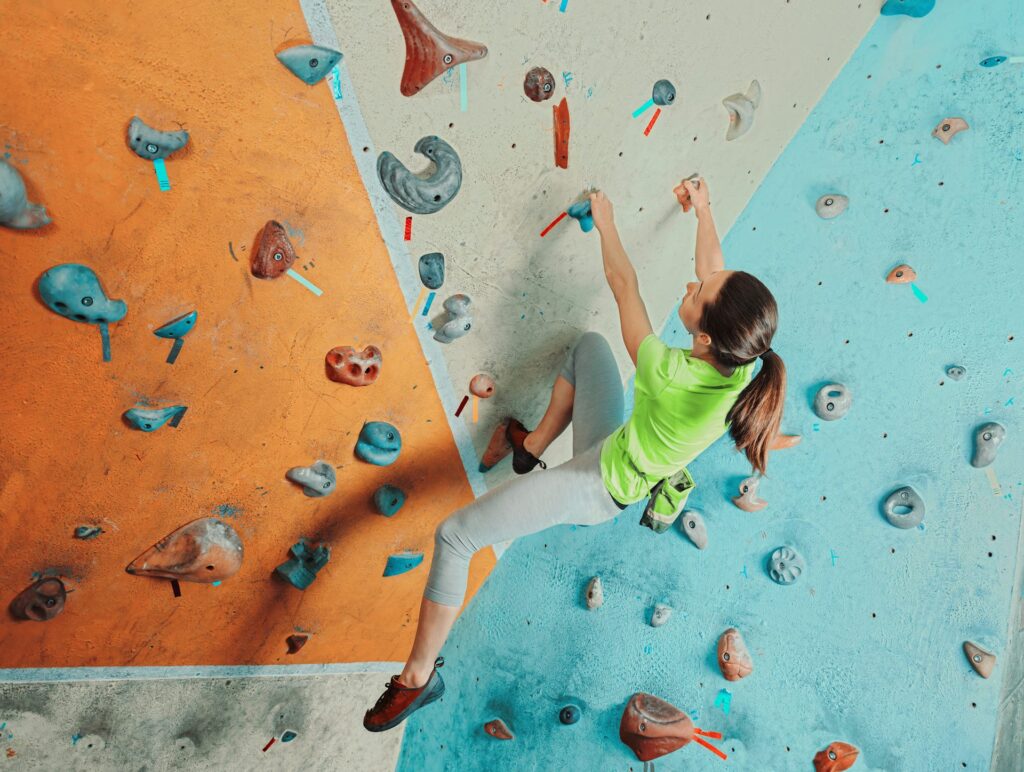
Unlike traditional gym routines that often rely on repetitive motion, bouldering requires a high level of technical focus. Climbers must analyse specific routes—known as ‘problems’—and execute precise movements to reach the top. This combination of physical strain and mental mapping creates a state of ‘flow,’ where the participant becomes fully immersed in the immediate challenge, often distancing themselves from the stresses of daily life.
Cognitive and Social Benefits
The sport acts as a meditative exercise, demanding that participants remain present and intentional with every hold. Many urban professionals have turned to local climbing centres as an alternative to solitary exercise, finding that the shared nature of solving a route encourages a unique form of community interaction.
Engaging in such niche hobbies often serves as a beneficial counterbalance to the constant digital stimulation prevalent in modern society. Much like how engaging with social media news requires a critical and detached perspective, bouldering demands a physical disconnection that helps reset one’s focus.
The accessibility of indoor climbing centres has played a major role in the sport’s growth. With facilities now established in most major cities, individuals of varying skill levels can participate in a structured environment. This reflects a broader trend of Britons seeking out activities that offer tangible skill progression rather than just general fitness maintenance.
Whether viewed as a strength-building regimen or a cognitive challenge, bouldering provides a unique synthesis of physical and psychological rigour. As with many cultural shifts, the move toward such specialised pursuits demonstrates a desire to engage more deeply with one’s own capabilities, much like how communities find pride in defying the odds in various competitive arenas.