

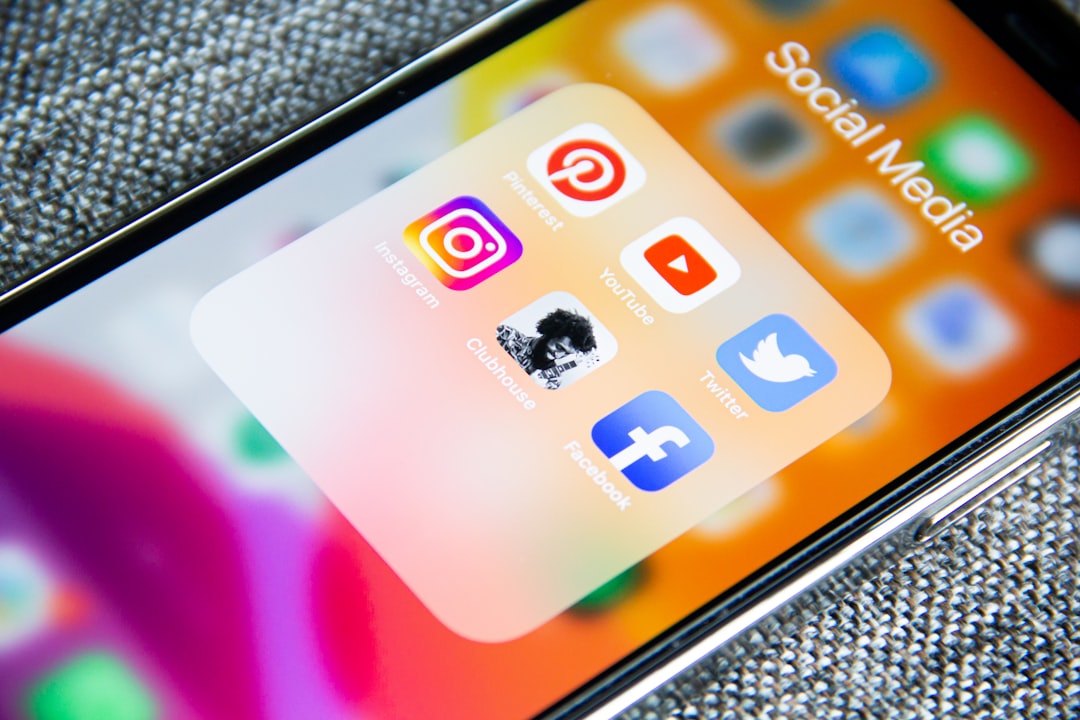
Social Media News in the UK has become a cornerstone of daily information gathering for a significant portion of the adult population. As digital platforms increasingly act as intermediaries between events and the public, the way citizens perceive, verify, and value these stories has undergone a profound transformation. This shift raises critical questions about how democratic discourse is maintained in an era where algorithmic feeds often dictate the visibility of current affairs. Understanding the interplay between personal content discovery and broader civic understanding is essential for assessing the health of our public sphere.
What Is Social Media News in the UK and How Is It Consumed?

The transition toward digital-first information consumption is not merely a preference for convenience but a structural change in how society communicates. While newspapers and broadcast bulletins once held a monopoly on the public agenda, they now operate alongside highly participatory networks. According to recent data, 51% of UK adults used social media as a source of news in 2025 (Ofcom, 2025). This figure highlights that digital platforms are now primary gateways for information, moving well beyond their original purpose of interpersonal connection.
The diversification of sources has fundamentally altered the media landscape. Traditional institutions are no longer the exclusive gatekeepers of reality; instead, they exist in an ecosystem where viral clips, influencer commentary, and citizen journalism compete for attention. This competitive environment forces legacy outlets to adapt their reporting styles to fit the brevity and visual focus of modern platforms. For a glimpse into how visual storytelling captures the nuance of community, one might consider the vivid portrait of village life that traditional photography still offers in contrast to ephemeral digital updates.
The Statistical Shift in Consumption Patterns
The scale of this migration to online spaces is corroborated by broader industry reports. In the same period, online news consumption reached 70% and was broadly level with television news at 68% (Ofcom, 2025). This convergence marks a significant historical moment in the British media sector, as television has historically been the most trusted and widely consumed medium. When digital consumption equals traditional broadcast metrics, the implications for how we discuss national issues become clear.
The challenge arises when the speed of digital news conflicts with the depth required for civic understanding. Because social media prioritizes engagement metrics—such as likes, shares, and comments—the content that trends is not necessarily the most accurate or representative of the national mood. Consequently, the user’s civic awareness may be skewed toward sensationalism or polarizing topics. This environment necessitates a higher level of media literacy, as the casual consumer must navigate an environment where news is often presented with the same aesthetic weight as entertainment.
Impact on Public Trust and Traditional Media
Trust in media is arguably the most sensitive variable in this equation. As people find themselves bombarded with disparate sources, the authority once granted to established newsrooms is increasingly questioned. The erosion of trust is not necessarily the result of a single event but a cumulative effect of exposure to unverified content. When information arrives through a feed curated by personal preferences, the capacity for shared national narratives decreases.
Traditional media organizations face a dual pressure: they must maintain the editorial standards that underpin democratic accountability while also remaining relevant in a digital-first marketplace. The risk is that as Social Media News in the UK becomes the primary habit for younger demographics, the nuance required to understand complex policy or historical context is lost. These platforms often strip away the necessary background and sourcing that professional journalists provide. Without this context, the public is often left with only the most emotionally charged elements of a story.
Civic Understanding in a Digital Era
Civic understanding relies on an informed public that can engage with local and national governance. When our primary interaction with public life occurs through social media, the focus often shifts from systemic issues to individual grievances. This is where the risk of fragmentation becomes most apparent. If individuals are only exposed to content that confirms their existing biases, the common ground required for social cohesion begins to fracture.
However, the democratization of news does offer potential benefits. Marginalized voices that were once ignored by mainstream gatekeepers now find a platform to reach wider audiences. This shift allows for a more representative, if more chaotic, view of societal issues. The task for the modern citizen is to balance the accessibility of online updates with the depth found in verified journalism. Maintaining a critical eye is the only way to ensure that digital habits foster participation rather than cynicism. By recognizing that social platforms are not replacements for rigorous investigative work, we can better utilize these tools to enrich, rather than simplify, our collective understanding of the United Kingdom.
The path forward involves a conscious effort to integrate diverse media sources. While the convenience of a smartphone feed is undeniable, the health of our democratic institutions depends on our willingness to occasionally look beyond the screen. Engaging with long-form reporting and fact-checked analysis remains the most effective antidote to the inherent instability of algorithmically driven information. As we continue to navigate this transition, the quality of our public discourse will remain inextricably linked to the media choices we make every day.
References
Ofcom. Media Nations 2025: UK Report. 2025.