

Renowned documentary photographer Martin Parr has completed a unique commission, providing a visual record of daily life in a small Wiltshire village. The project, which served as the final chapter in a long-standing creative undertaking, offers an intimate look at a community often overlooked by broader cultural narratives.
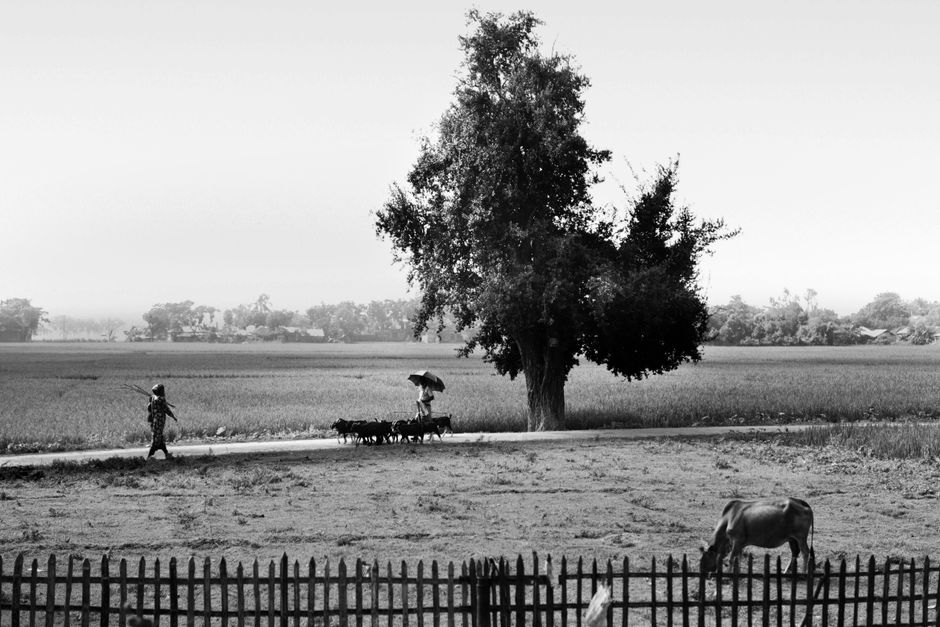
Known for his sharp, satirical eye and distinct saturated colour palette, Parr has spent his career documenting the peculiarities of British social life. For this recent assignment, his lens turned toward the quiet routines of rural existence, capturing everything from local fetes and agricultural shows to the understated interactions of village residents. The resulting photographs function as both a contemporary document and a social history.
Documenting the British Social Fabric
Parr’s work in the region highlights his signature approach to ethnography. Rather than focusing on the picturesque nature of the English countryside, he prioritises the authentic, often humorous, and unposed moments that define how people gather and interact. By turning his attention to a specific Wiltshire village, he provides a microcosm of broader shifts in regional identity.
The significance of this work lies in its preservation of community practices that are increasingly rare in a digitised, urbanised society. In documenting the volunteer-led events and long-standing social structures within the village, the collection invites a reflection on how rural spaces maintain their character amidst national change. The photographs are expected to serve as a vital resource for those interested in the evolving landscape of British village life.
This project marks a notable conclusion to a period of extensive documentation for the photographer. While Parr has travelled the globe to capture human behaviour, these final images reinforce his commitment to the local and the mundane. The collection highlights that even in a quiet Wiltshire village, there is a wealth of complex social activity waiting to be observed and recorded for posterity.