


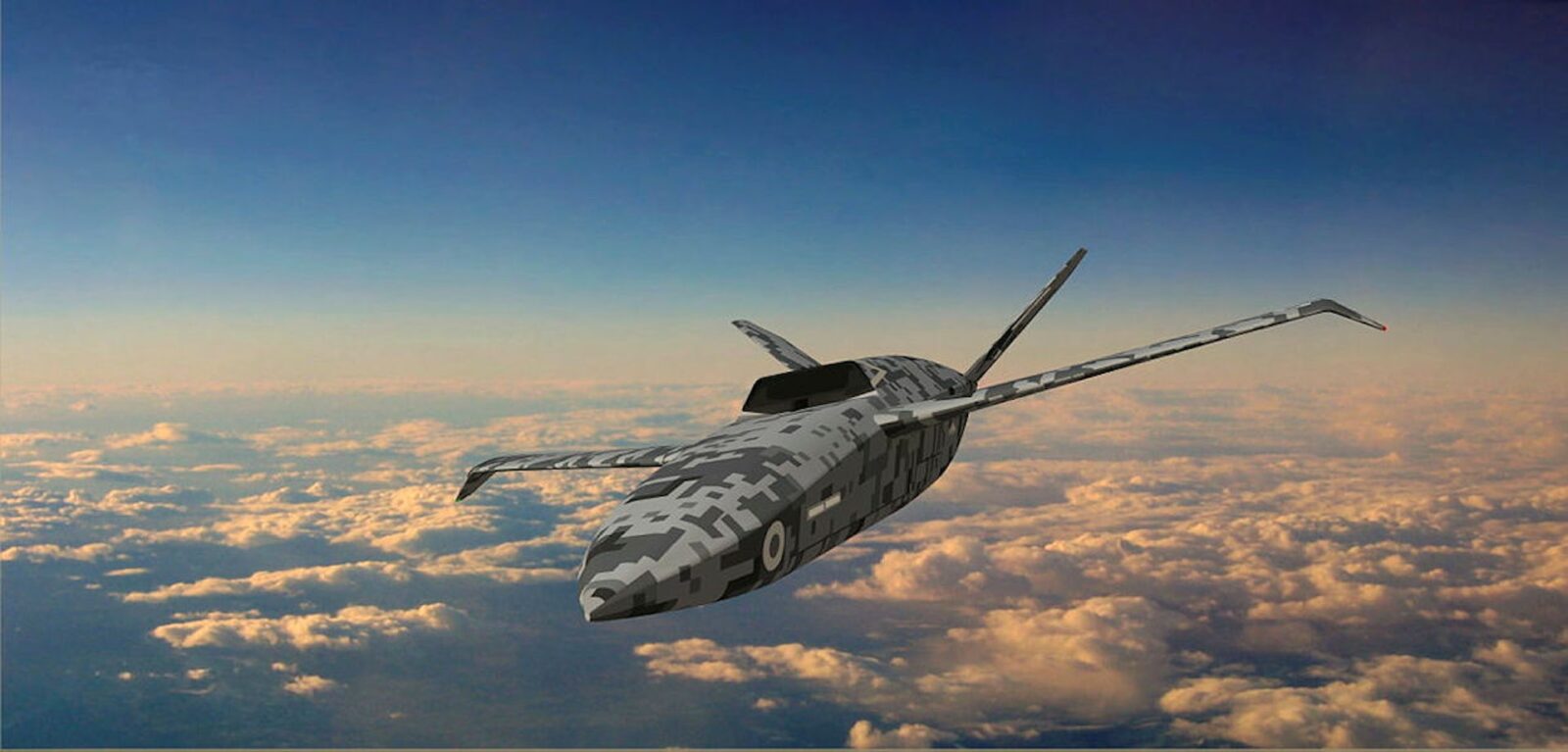
The UK government has unveiled a significant expansion of its defence investment strategy, earmarking £5 billion specifically for the advancement and procurement of drone technology. This commitment marks a notable shift in military spending priorities, signalling an intent to modernise the armed forces through autonomous and remotely operated systems.
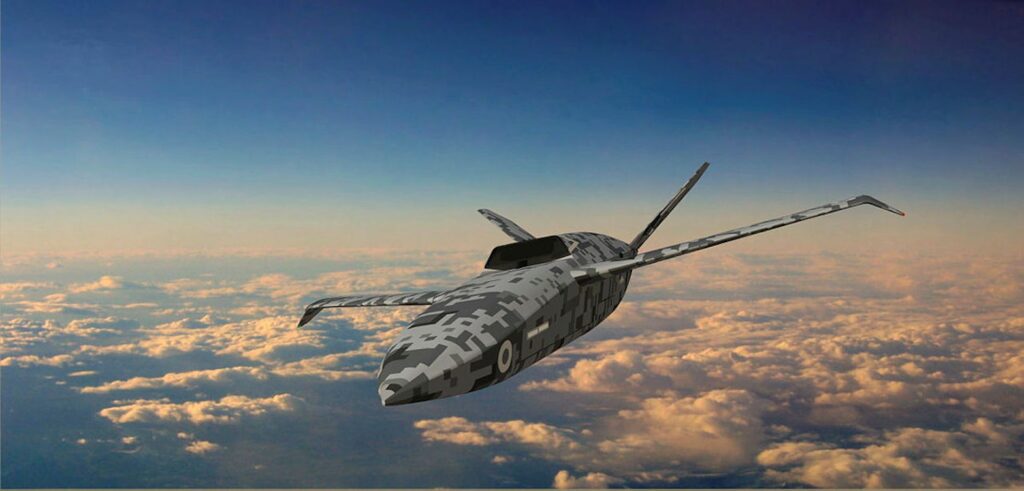
The funding is expected to cover a wide range of aerial and maritime unmanned vehicles. By prioritising drone capabilities, the Ministry of Defence aims to enhance surveillance, precision strike capacities, and logistical support while reducing the physical risk to personnel in hazardous environments.
The changing landscape of security
The move reflects a broader global trend in which the character of modern conflict is increasingly defined by rapid technological adaptation. As academic interest grows in the sociopolitical implications of warfare, scholars continue to debate the ethical and strategic frameworks necessary for these emerging technologies, much as researchers seek to explore queer approaches to conflict research to provide more inclusive perspectives on regional stability.
The £5 billion allocation is a foundational component of a wider fiscal review intended to bolster the nation’s technological sovereignty. This policy shift follows sustained pressure on the government to ensure that the UK’s defence infrastructure remains resilient against evolving geopolitical threats.
Public discourse surrounding these investments often touches upon the tension between military expenditure and domestic social funding. While the government maintains that a technologically advanced military is vital for national security, civil society groups often monitor how such spending impacts the resources available for public services and institutions that foster community cohesion, such as museum visits in England.
The deployment of this funding will likely be observed closely by the defence industry and international observers alike. The successful integration of these drones into existing military structures will be a key test for the Ministry of Defence’s ability to transition effectively into an era of automated, data-driven security operations.