


A new academic collection, Queer Conflict Research, seeks to challenge traditional frameworks within security studies by integrating queer theory into the analysis of global violence. Edited by Jamie J. Hagen, Samuel Ritholz, and Andrew Delatolla, the volume maps an emerging intellectual territory that moves beyond conventional state-centric perspectives.
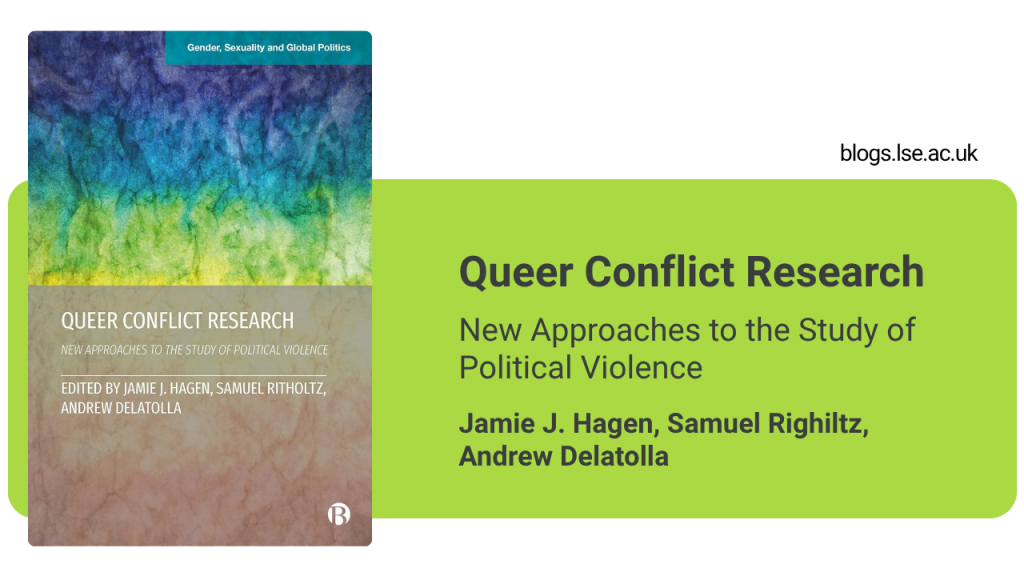
The book explores how conflict affects individuals and communities based on gender and sexual orientation, arguing that standard research models often overlook these nuances. By centring queer perspectives, the authors suggest that researchers can gain a more comprehensive understanding of the dynamics surrounding war, peace-building, and systemic instability.
Challenging traditional security paradigms
The contributors to this volume contend that by failing to account for non-normative identities, traditional security research risks missing critical data points. This oversight can impact the effectiveness of international interventions and local policy responses, as the specific vulnerabilities and experiences of queer populations remain largely undocumented in standard literature.
For those interested in how societal structures influence individual participation in broader systems, this academic shift mirrors ongoing discussions about how we document public trust and information dissemination in modern Britain. Just as media habits shape our perception of national discourse, the lenses used by conflict researchers shape the legitimacy and scope of global security policy.
The work serves as an invitation for scholars to re-evaluate the methodology of security studies. By applying queer theory to the study of conflict, the editors encourage a more intersectional approach that considers how power, identity, and state authority interact during periods of crisis. This effort is part of a wider trend in social science that seeks to deconstruct long-standing assumptions about who is considered a relevant subject in political life.
Ultimately, Queer Conflict Research highlights the necessity of diversifying academic inquiry. By broadening the scope of what constitutes legitimate research in the field of security, the authors aim to provide tools for a more inclusive and accurate analysis of the global political landscape.