


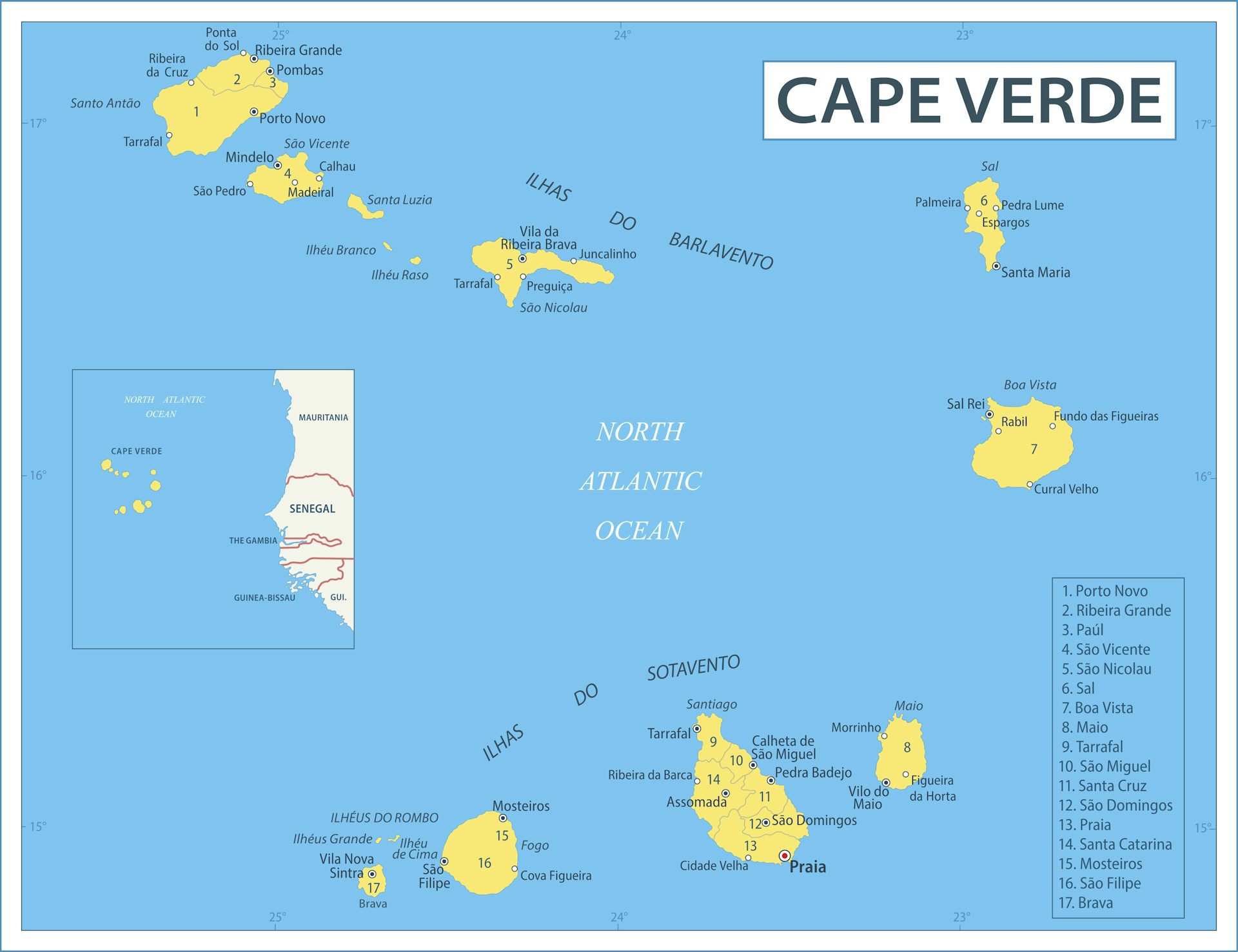
Cape Verde is currently capturing international attention not merely through its sporting achievements, but by demonstrating how a small nation can consistently overcome significant structural limitations. With a population of approximately 500,000 residents distributed across ten disparate islands in the central Atlantic, the country has become a compelling case study in resilience and strategic development.
The nation’s recent success on the football pitch has been widely interpreted as a reflection of its broader societal character. Despite lacking the extensive resources and deep infrastructure of larger footballing powers, the archipelago has managed to cultivate a competitive edge that defies traditional expectations. This pattern of achievement is consistent with the country’s history of navigating geographical isolation to establish a distinct, stable identity.
Reframing National Capability
From an educational and cultural perspective, Cape Verde’s trajectory offers insights into how smaller communities manage to project their influence on a global stage. The ability to organise effectively across fragmented territories requires a level of public coordination and institutional trust that is often scrutinised in larger, more established democracies. The way citizens perceive and participate in these national projects often mirrors current discourse regarding public trust and digital information ecosystems seen in the UK.
The success is not purely athletic; it is indicative of a disciplined approach to development that values resourcefulness. Just as observers look for authenticity in village life and cultural documentation to understand a society’s core, the global community is finding that Cape Verde’s sporting performance is a clear metric of its internal cohesion.
As the nation continues to navigate its path, the emphasis remains on sustainable growth rather than fleeting moments of international prominence. Whether through public programmes or its increasingly visible sports teams, the archipelago proves that influence is not exclusively a product of population size or landmass. For researchers and cultural observers, the Cape Verdean model remains a pertinent reminder of how vision and collective effort can reshape global perceptions of what a small nation can achieve.