


The integration of artificial intelligence into military operations is fundamentally altering how decisions are made on the battlefield, according to recent sociological examinations of modern conflict. As armed forces deepen their partnerships with major technology firms, the traditional boundaries between commercial innovation and state defence strategy are becoming increasingly blurred.
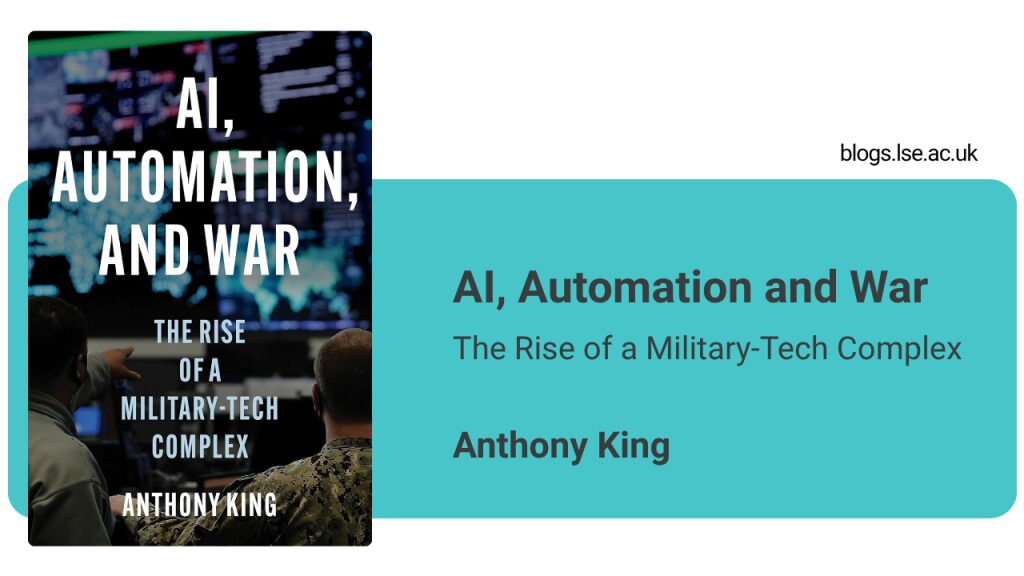
This shift in military doctrine is not merely a matter of hardware upgrades or technical capability. It represents a significant sociological transformation, where algorithmic systems play an ever-greater role in strategic planning and tactical execution. Understanding these dynamics is essential as UK defence investment plan priorities continue to pivot toward high-tech automation and data-driven intelligence.
The Sociological Impact of Automated Warfare
Recent academic analysis suggests that the influence of Big Tech on state security creates complex ethical and practical dilemmas. When private entities become central to the infrastructure of war, the accountability mechanisms usually expected of government agencies can become opaque. This intersection raises vital questions about the future of global stability and the influence of non-state actors in international affairs.
Research into these developments often highlights the need for diverse perspectives in security studies. Just as scholars have argued for queer approaches to conflict research to better understand the nuances of power, there is a clear demand for a broader academic interrogation of how software development influences human conflict. By examining these alliances through a sociological lens, observers can move beyond the surface-level technical specifications to consider the long-term societal consequences of automated combat.
As these technologies continue to evolve, the public discourse must keep pace with the technical reality. Whether through informed media coverage or scholarly review, the shift toward a more digital defence landscape remains one of the most critical topics in contemporary international relations.