


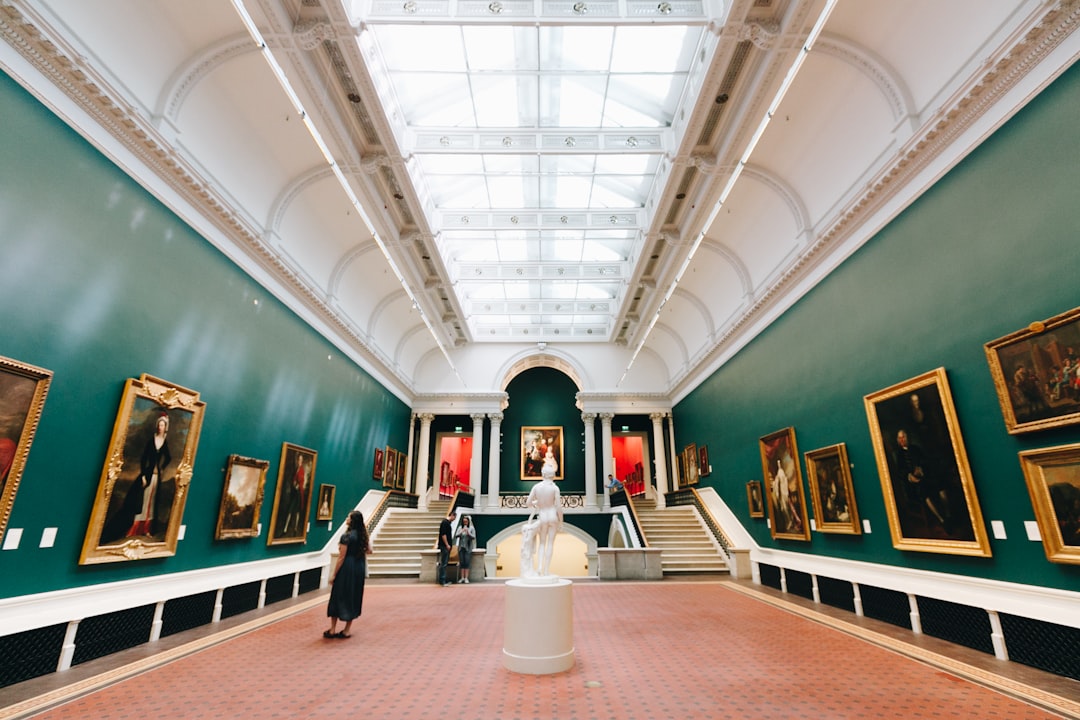
Museum Learning serves as a vital bridge between formal classroom environments and the broader, more nuanced landscape of civic engagement. In the British context, galleries and heritage sites have evolved beyond static repositories of history into dynamic spaces where pedagogical innovation meets public service. This shift reflects a deepening understanding that education is not limited to the physical walls of a school, but is instead an ongoing process fostered by our interactions with material culture and collective memory. As academic institutions face increasing pressure to narrow their curricula, the role of independent cultural institutions becomes even more pronounced in supporting lifelong intellectual growth.
What Is Museum Learning?
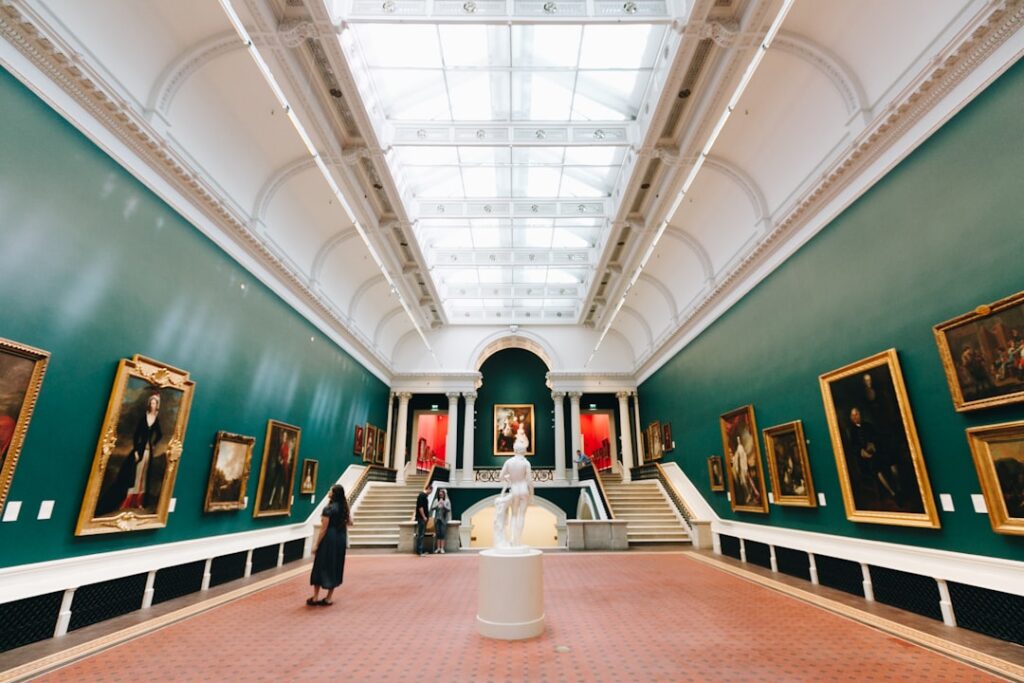
Museum Learning encompasses the diverse educational practices that occur when visitors interact with historical objects, art, and scientific collections. It is not merely the passive consumption of information provided on placards, but rather an active form of meaning-making that allows individuals to connect personal experiences to the broader historical narrative. By facilitating this encounter, museums provide an informal yet rigorous academic stimulus. This process often begins during organised school visits but ideally continues throughout adulthood, ensuring that the public remains engaged with the critical debates that shape our understanding of British identity.
The pedagogical value of these institutions lies in their ability to offer tangible evidence of the past. Unlike digital or theoretical learning, which can feel abstract or detached, objects provide a visceral link to earlier generations and previous technical or aesthetic achievements. When students encounter original manuscripts, industrial machinery, or ancient artefacts, their understanding of temporal continuity is fundamentally altered. This form of engagement encourages critical thinking, as visitors are often invited to question the provenance and narrative framing of the objects on display.
Integrating Heritage and Formal Schooling
The relationship between national heritage sites and the state school curriculum is a central pillar of British social policy. Many institutions provide structured support for educators, offering materials that align with GCSE or A-Level requirements. This integration ensures that the classroom is periodically extended into the field, providing students with a holistic view of subjects ranging from the Industrial Revolution to post-war social history. This synergy is particularly important for museum visits in England, where funding models increasingly depend on demonstrated educational outcomes and community outreach metrics.
Beyond standard curriculum support, these spaces offer a venue for addressing complex topics that are often bypassed in traditional settings. By bringing pupils into contact with the history of conflict, migration, or colonial expansion, museums allow for a more multifaceted discussion of Britain’s role on the global stage. Educators find that these environments are uniquely suited to fostering empathy and nuanced debate, as the primary source material prevents the simplification of historical events into binary narratives of success or failure.
Civic Memory and Social Equity
Beyond their role in schools, museums act as custodians of civic memory, preserving the stories that define local and national character. The challenge for these organisations in the twenty-first century is ensuring that their collections remain relevant to a diverse and changing populace. This necessitates a move away from the authoritative, top-down dissemination of knowledge toward a more conversational model. Public education is enriched when the voices of underrepresented groups are integrated into the archival narrative, turning the museum into a mirror that reflects the entirety of the community rather than just a narrow slice of established historiography.
Cultural access remains a critical issue in ensuring that the benefits of this educational framework are distributed equitably. While many national museums offer free entry, geographical disparities and the concentration of resources in major urban hubs can create barriers for those living in less connected areas. Improving access requires not only physical proximity but also the development of digital resources and travelling exhibitions that can bring the institution’s expertise to regional communities. Much like the role served by public libraries in Britain, the museum must serve as a beacon of democratised knowledge, providing a shared space where intellectual enquiry is prioritised over commercial interests.
The Future of Informal Intellectual Development
As digital technologies transform how we access information, the function of the museum as a physical anchor for public education becomes more significant. In an era where online media is often fractured and prone to algorithmic bias, the deliberate, curated nature of a museum environment provides a necessary antidote. Visitors are invited to slow down, observe with intent, and weigh evidence in a space designed for reflection. This cognitive shift is essential for nurturing an informed citizenry capable of navigating complex socio-political landscapes.
The integration of new media into traditional displays has also opened up exciting possibilities for interactive engagement. We see these advancements in the new technologies in the UK that allow for high-fidelity archival digitisation, which effectively puts vast collections at the fingertips of researchers and laypeople alike. However, these tools are most effective when they enhance, rather than replace, the experience of encountering the genuine article. The physical presence of a curator and the communal experience of walking through a collection remain irreplaceable components of the educational journey.
Ultimately, the success of these initiatives depends on a sustainable commitment from both government bodies and philanthropic foundations. Protecting the integrity of these institutions ensures that they remain safe harbours for the pursuit of knowledge. By fostering strong connections between local schools, regional museums, and community centres, Britain can ensure that the lessons of the past continue to inform the debates of the present. A healthy society is one that values these public spaces as essential infrastructure, recognising that the cultivation of a thoughtful, educated, and critically aware public is the most significant investment a nation can make in its own future.