


Indian aerospace firm Skyroot Aerospace has successfully conducted the maiden launch of its Vikram-1 rocket, marking a significant milestone for the country’s growing private space sector. The mission, which took place on Saturday, demonstrates the increasing capabilities of commercial entities in providing reliable access to orbit.
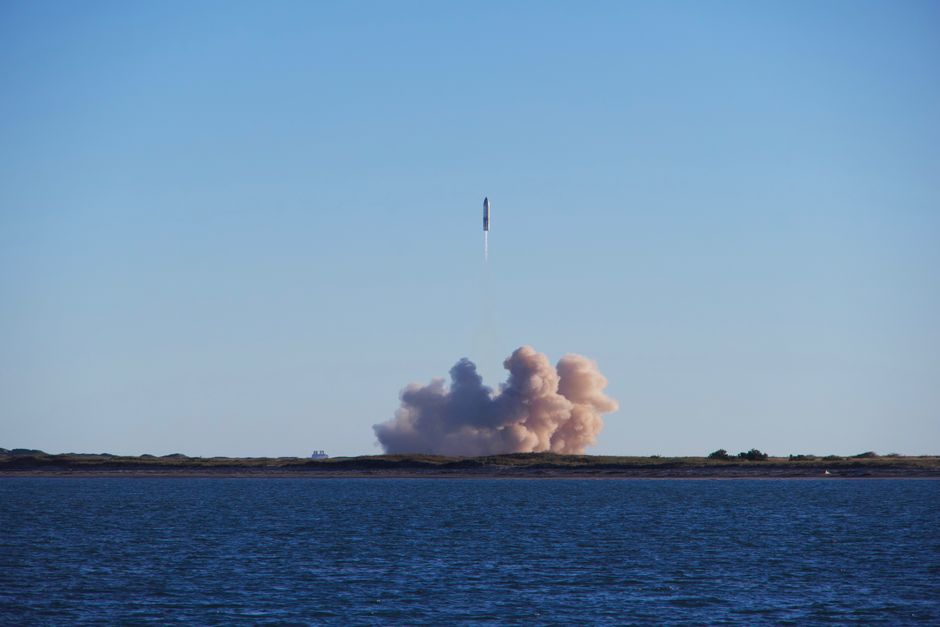
Skyroot Aerospace, widely regarded as India’s first space-technology “unicorn,” has designed the Vikram-1 to offer a cost-effective and flexible solution for launching small satellites. By developing indigenous launch vehicle technologies, the company aims to address the rising global demand for satellite deployment, particularly for Earth observation and telecommunications infrastructure.
Commercial expansion in space technology
The successful test flight serves as an important indicator of the shifting landscape in aerospace engineering. Much like how countries are evaluating UK government R&D spending to foster local innovation, India has been actively encouraging private investment to complement its national space programme. The ability of private startups to design, build, and launch their own rockets is a key component of this strategic shift.
The Vikram-1 is a multi-stage launch vehicle built with carbon-fibre structures to minimize weight while maximizing fuel efficiency. Such engineering developments are crucial for reducing the overhead costs associated with orbital launches. As private firms continue to refine these systems, the industry expects a transition toward a more sustainable and accessible “taxi service” model for payload delivery into space.
While global competitors in the private space industry have already established consistent flight cadences, this launch positions Skyroot as a notable player within the international market. For India, the success reinforces the country’s reputation as a growing hub for high-tech manufacturing and aerospace research, providing a scalable path forward for both commercial and scientific missions.