


Researchers have developed a compact breathalyser capable of detecting when the human body has entered ketosis, a metabolic state in which the body burns fat for fuel instead of glucose. The device, described in a recent report published in Nature, offers a non-invasive method for monitoring metabolic health and weight management.
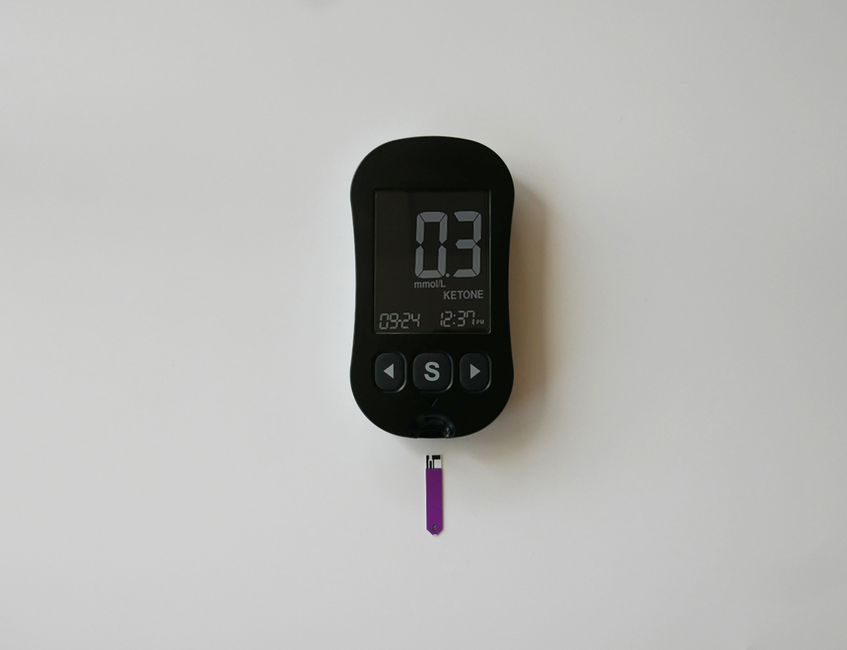
Ketosis occurs when glycogen stores are depleted, forcing the body to break down fat cells into ketones. Traditionally, tracking this process has required blood or urine tests, which can be inconvenient for individuals monitoring their progress during dietary changes. This new sensor technology provides a real-time alternative by analysing the chemical composition of a single exhale.
Metabolic monitoring through breath analysis
The device functions by identifying specific volatile organic compounds that serve as biomarkers for fat metabolism. By quantifying these compounds in the breath, the system can determine the concentration of ketones present in the bloodstream. Such precision is often essential for individuals managing dietary cholesterol and overall metabolic balance.
Beyond personal weight management, the development reflects a broader shift toward accessible diagnostic tools. While advancements in laboratory-grade equipment remain crucial, portable sensors are increasingly playing a role in how we understand our physiological responses to nutrition and activity.
As researchers continue to refine these sensors, the technology could eventually be integrated into broader health monitoring systems. The ability to track metabolic states with high frequency without the need for needles or disposable test strips may offer significant benefits for both patients and clinicians in preventative healthcare.
This development is one of several recent strides in wearable and mobile diagnostics. Much like the progress seen in renewable energy battery research, the focus is on creating more efficient and user-friendly systems. As the technology matures, further studies will likely focus on the long-term reliability of these breath-based measurements compared to traditional clinical standards.