


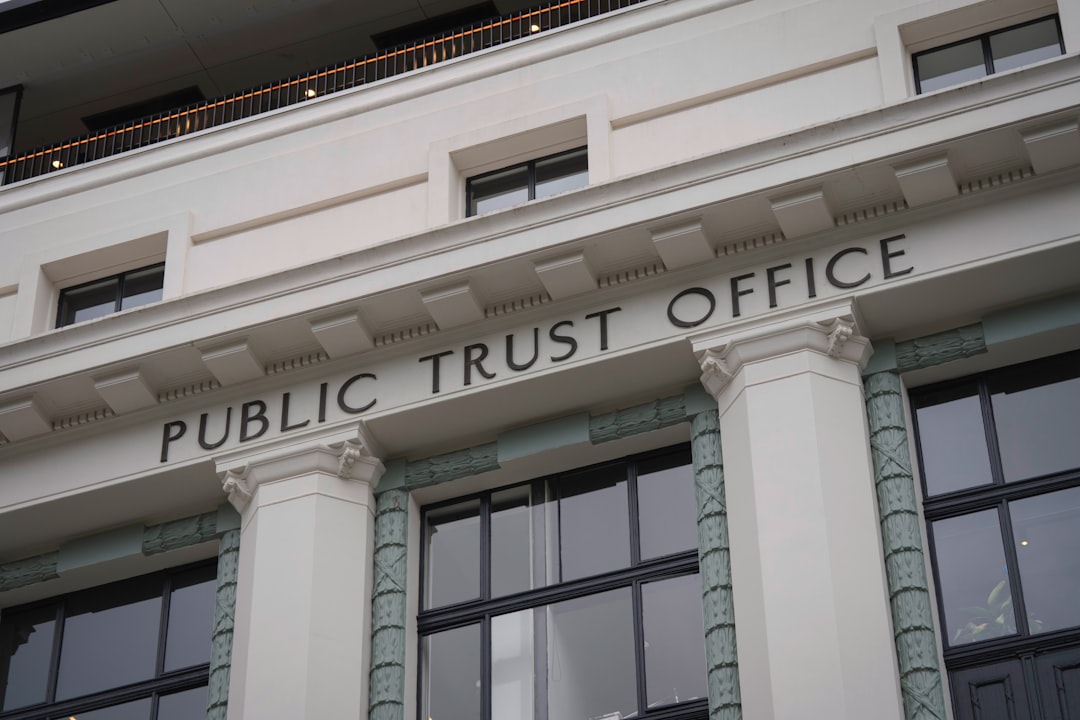
Public trust in institutions serves as the foundational bedrock upon which the stability and functionality of British society rest. Without a widespread belief that our core public bodies, political structures, and media entities operate with integrity, the delicate social contract begins to fray. This trust is not merely a political abstract; it is a lived reality for citizens who rely on the National Health Service, educational systems, and local government frameworks to provide safety and opportunity. In an era marked by rapid change and complex global pressures, understanding how this trust is formed and maintained has become a central concern for academics and policymakers alike. Evaluating the health of our democracy requires looking closely at how ordinary people interact with the structures intended to serve them.
What Is Public Trust in Institutions?
Public trust in institutions refers to the degree of confidence that citizens hold regarding the competence, transparency, and benevolence of their governance systems. It encompasses a wide spectrum, ranging from international bodies and national government ministries to regional councils and public broadcast networks. When trust is high, citizens generally comply with laws, pay taxes, and engage in civic processes with a sense of shared purpose. When trust diminishes, we observe increased cynicism, lower voter engagement, and a reliance on anecdotal evidence over institutional expertise. Maintaining this trust is not a passive exercise; it requires constant demonstration of accountability and clear communication from those in positions of power.
The Role of Public Services
The interaction between the individual and the state is often defined by the performance of public services. If a person finds that they cannot secure a GP appointment, or if transport links remain unreliable, the abstract concept of institutional trust translates into personal frustration. Many people see the state through the lens of their immediate, practical needs. When public services appear strained under the weight of population shifts or budget constraints, that frustration is frequently redirected toward the institutions responsible. A robust relationship with the public relies on the state’s ability to deliver consistent results, as this is the most tangible evidence of institutional health for the average person.
Media Dynamics and Public Perception
The media plays a complex, dual role in the landscape of national confidence. On one hand, journalists act as a vital check on authority, bringing accountability to light and ensuring that the public remains informed about decisions that affect their daily lives. On the other hand, the fragmented nature of modern information consumption has led to a siloed environment where citizens struggle to agree on basic facts. Public trust in institutions is often shaken when media outlets prioritize sensationalism over context, inadvertently or intentionally deepening existing divisions. For the democratic process to thrive, media entities must strive to present a balanced view that encourages nuanced debate rather than polarization.
Local Experience and Regional Governance
Trust is frequently built from the ground up, starting with local government and community leaders who are visibly closer to the electorate. When people see tangible improvements in their high streets, public safety, or housing, they are more likely to feel connected to the broader political system. Regional devolution has brought many decision-making processes closer to home, allowing leaders to craft strategies that reflect the specific cultural and economic needs of their areas. Engaging with initiatives such as local development plans demonstrates how governance can feel more personal and responsive. This localization of policy creates a feedback loop where citizens feel their voices carry weight, thereby reinforcing their faith in the democratic project.
Challenges to Civic Participation
Participation in civic life is the ultimate litmus test for the health of our institutions. When barriers are perceived to be high—whether due to administrative complexity or changing regulations—the propensity for citizens to engage decreases. For example, modern shifts in democratic participation demonstrate that changes to voting requirements can have profound effects on how segments of the population view their access to the ballot. These systemic changes must be carefully weighed against the desire for security to ensure they do not alienate the very people they are meant to represent. The aim must always be to facilitate, rather than obstruct, the involvement of the public in their own future.
Effective governance requires a constant dialogue between the state and the people. This dialogue is not merely about exchanging information; it is about building a shared narrative of what it means to be a citizen in modern Britain. As institutions navigate the challenges of the twenty-first century, they must prioritize transparency to earn the continued support of the public. This involves admitting faults when they occur and demonstrating a willingness to adapt to new social realities. True legitimacy is not granted by authority alone, but earned through a track record of service, honesty, and genuine care for the communities served.
Ultimately, the restoration and preservation of confidence in our society rely on collective efforts across all sectors. Political leaders, administrators, and the public all share a responsibility to treat these institutions with the gravity they deserve. By focusing on tangible outcomes, improving the quality of communication, and ensuring that policies are rooted in local reality, we can foster an environment where trust becomes the norm rather than the exception. A healthy society is one that sees itself reflected in the dignity of its institutions, working in concert to build a resilient and inclusive future for all who call Britain home.
References:
- Office for National Statistics, Trends in Public Confidence in Government, 2023.
- Institute for Government, The State of the Union and Public Trust, 2024.
- UK Parliament, Civic Participation and Electoral Reform Review, 2023.