


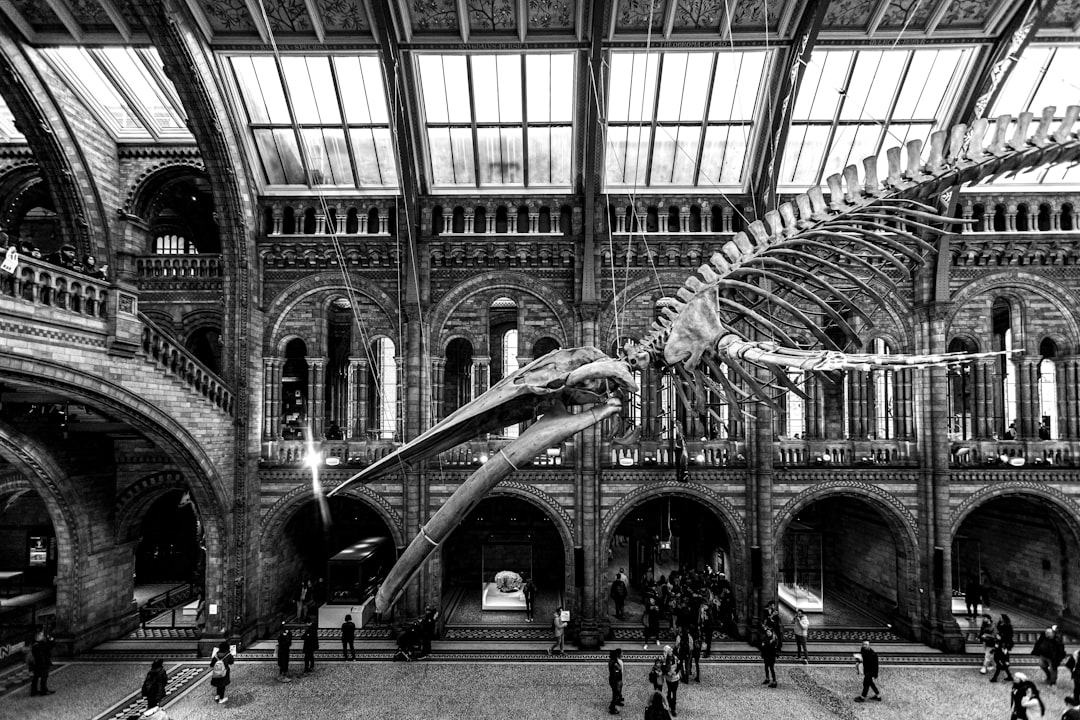
Cambridge’s museum landscape is unusually dense for a city of its size. University collections, independent museums and specialist institutions sit within walking distance of one another, giving residents, students and visitors access to art, archaeology, zoology, science and local history without relying on a single flagship venue.
In 2026, the more useful story is not simply whether museum attendance has “recovered” nationally. It is how Cambridge institutions are using collections through exhibitions, family programmes, guided tours, accessibility initiatives and public learning.
A network rather than a single museum
The University of Cambridge Museums network brings together institutions including the Fitzwilliam Museum, Museum of Archaeology and Anthropology, Museum of Zoology, Whipple Museum of the History of Science, Polar Museum and Museum of Classical Archaeology, alongside the Cambridge University Botanic Garden and other collections.
The current programme shows how varied that offer has become. The University of Cambridge Museums calendar for summer 2026 includes free science activities, family workshops, guided tours and disability-friendly openings. That matters because access is not only about admission price. Opening hours, sensory needs, physical accessibility, family programming and the ability to encounter collections in different ways all affect who actually uses museums.
Learning beyond formal education
Cambridge museums also function as educational infrastructure. School visits are part of that role, but the audience is much wider: families, adult learners, university students, tourists and local residents all use collections differently.
A museum visit can support structured learning without resembling a classroom. Scientific objects can make abstract ideas tangible; archaeological collections can show how historical claims are built from material evidence; art collections can invite close looking and interpretation. The strongest programmes do not simply present information but give visitors ways to question, compare and make sense of what they see.
Why local museums still matter in a digital city
Cambridge is closely associated with research and digital innovation, yet physical collections remain important precisely because they offer something different from online information. An object has scale, texture, provenance and context. A gallery also creates a shared public setting in which people encounter material chosen and interpreted by curators rather than by an algorithmic feed.
That does not make museums immune to change. Digital catalogues, online exhibitions and social media can extend access, while interactive displays can help explain complex material. The question is how those tools complement rather than replace the experience of collections.
A cultural calendar built around participation
The 2026 programme also shows a shift toward participation. Current events include free family sessions, specialist tours, science activities and programmes designed for visitors with sensory sensitivities. The Museum of Cambridge is also running summer family activities focused on the city’s own past.
For Cambridge Post, that is a more useful measure of cultural vitality than a single national attendance figure. Museums matter when people can enter them, understand what they contain and find reasons to return.