


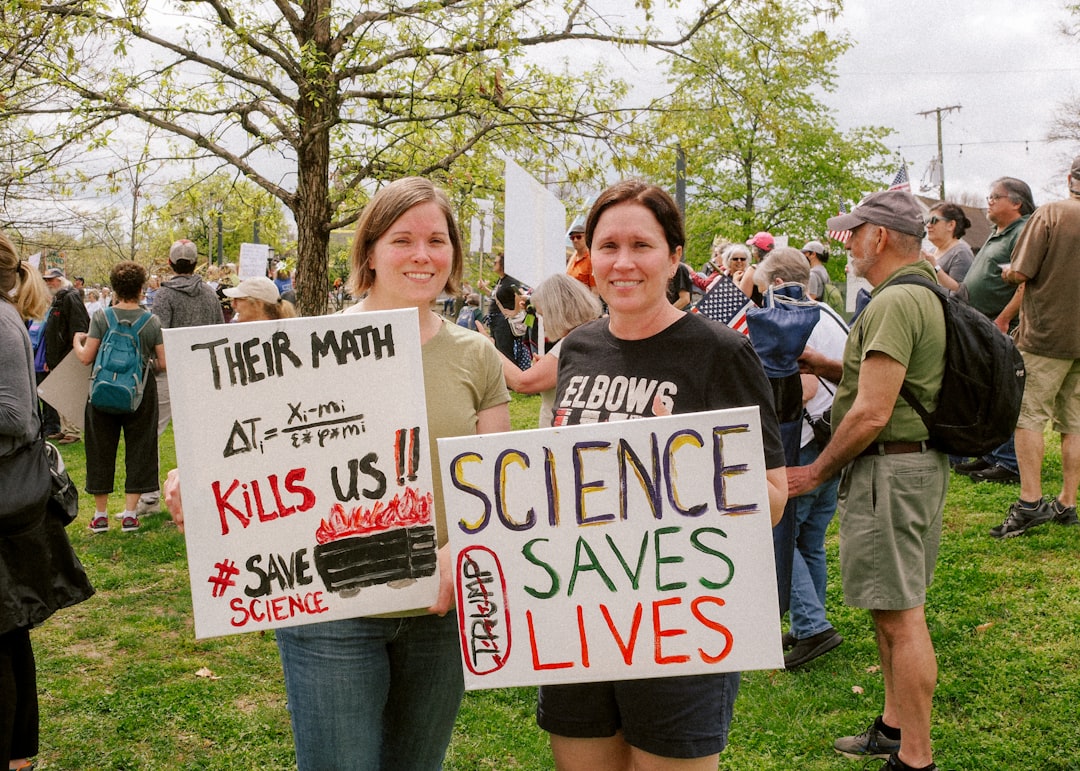
Science communication acts as the vital bridge between complex academic research and the informed public, ensuring that society remains equipped to navigate an era defined by rapid technological and ecological change. As the boundary between laboratory discovery and daily life thins, the ability to translate technical findings into accessible information becomes a primary requirement for a functional democracy. This process involves far more than simply simplifying data; it requires a nuanced approach to building trust in empirical evidence while countering the proliferation of misinformation. Experts argue that when research institutions communicate clearly, they foster a healthier relationship with communities who rely on accurate guidance for decision-making. By refining how we share scientific knowledge, we ensure that innovations, such as quantum technology, are viewed through a lens of transparency rather than mystery.
What Is Science Communication and Why Does It Matter?
Science communication represents the professional practice of informing, educating, and raising awareness about scientific topics to non-expert audiences. It is an essential discipline that transforms dense, peer-reviewed data into narratives that resonate with everyday experience. Without this translation, institutional research often remains trapped in academic silos, disconnected from the citizens who fund these initiatives through their tax contributions. The importance of this field has grown as society faces unprecedented global challenges, ranging from medical crises to urgent environmental shifts. Effectively managing this flow of information ensures that evidence-based policy receives the public support necessary for successful implementation.
The Role of Media Literacy and Plain Language
Public engagement with research findings frequently falters when language is unnecessarily complex or obfuscated by excessive jargon. The use of plain language is not an act of dumbing down; rather, it is a deliberate attempt to remove barriers to entry, allowing people from all educational backgrounds to grasp the core implications of a study. When scientists and journalists commit to clear communication, they empower the public to engage with, challenge, or support scientific progress. Furthermore, media literacy serves as the necessary companion to clear writing, as it teaches individuals how to discern reputable sources from deceptive narratives.
By fostering a higher standard of literacy, we help readers identify the hallmark indicators of rigorous research versus unsubstantiated claims. In a digital landscape where conflicting information is often presented with equal authority, this critical skill set is essential. When organizations prioritize these efforts, they provide citizens with the tools required to evaluate complex news stories, including those surrounding climate adaptation strategies. Ultimately, the integration of plain language with robust media literacy creates a more resilient public, one that is less susceptible to misinformation and more attuned to the nuances of scientific methodology.
Building and Maintaining Public Trust
Trust in scientific institutions is the bedrock of public compliance and belief in evidence-based guidance. However, trust is not an inherent trait but a currency earned through consistent honesty and the acknowledgement of uncertainty. Scientific inquiry is inherently iterative, meaning that findings can evolve as new data surfaces over time. When communicators transparently discuss these shifts, they maintain credibility, whereas an attempt to present early findings as absolute truths often results in disillusionment when updates occur. This transparency is particularly crucial when discussing public health or safety, as seen in reports regarding heat waves and their direct impact on community welfare.
To cultivate lasting trust, research bodies must also embrace a more open dialogue with the public. This means moving away from a one-way lecture style towards a more interactive model that invites questions and acknowledges community concerns. When researchers engage with the public in a humble, helpful manner, they humanize the scientific process. Such efforts do not just convey information; they foster a collaborative environment where scientists are seen as part of the society they serve. By focusing on accessibility and authenticity, we ensure that science remains a reliable anchor in an increasingly complex and noisy information ecosystem.
Effective engagement requires an ongoing commitment to clarity, accuracy, and ethical practice. Whether the goal is to explain the mechanics of a new energy discovery or to provide guidance on individual wellness, the principles remain identical. We must value the intelligence of the reader by providing information that is straightforward, verifiable, and free from sensationalism. When researchers and writers focus on these foundational elements, they successfully bridge the gap between abstract laboratory work and the practical realities of everyday life. This sustained effort helps preserve the integrity of the scientific enterprise while ensuring that the public remains well-informed, curious, and skeptical of misinformation. By prioritising the needs of the reader over the technical ego of the researcher, we can cultivate a more knowledgeable society prepared to handle the challenges and opportunities of the future.
References:
- UK Climate Adaptation and Public Preparedness, Cambridge Post.
- Quantum Technology in Britain and Scientific Strategy, Cambridge Post.
- Heat waves threaten health of both young and old, Cambridge Post.