


Cambridge nuclear energy research policy shapes how institutions examine the future of low-carbon electricity, balancing engineering realities with national climate targets. As the United Kingdom transitions away from fossil fuels, the national energy mix requires a stable baseload supply that can complement intermittent renewables such as wind and solar generation. This structural shift places advanced scientific investigation and regulatory frameworks at the very centre of contemporary public infrastructure discussions. Rather than relying on physical proximity to operational generation sites, the academic community contributes through rigorous material science, reactor design optimization, and rigorous economic assessments. Understanding these contributions demands a clear examination of how parliamentary strategies intersect with laboratory findings across the country.
What Is Cambridge Nuclear Energy Research Policy?
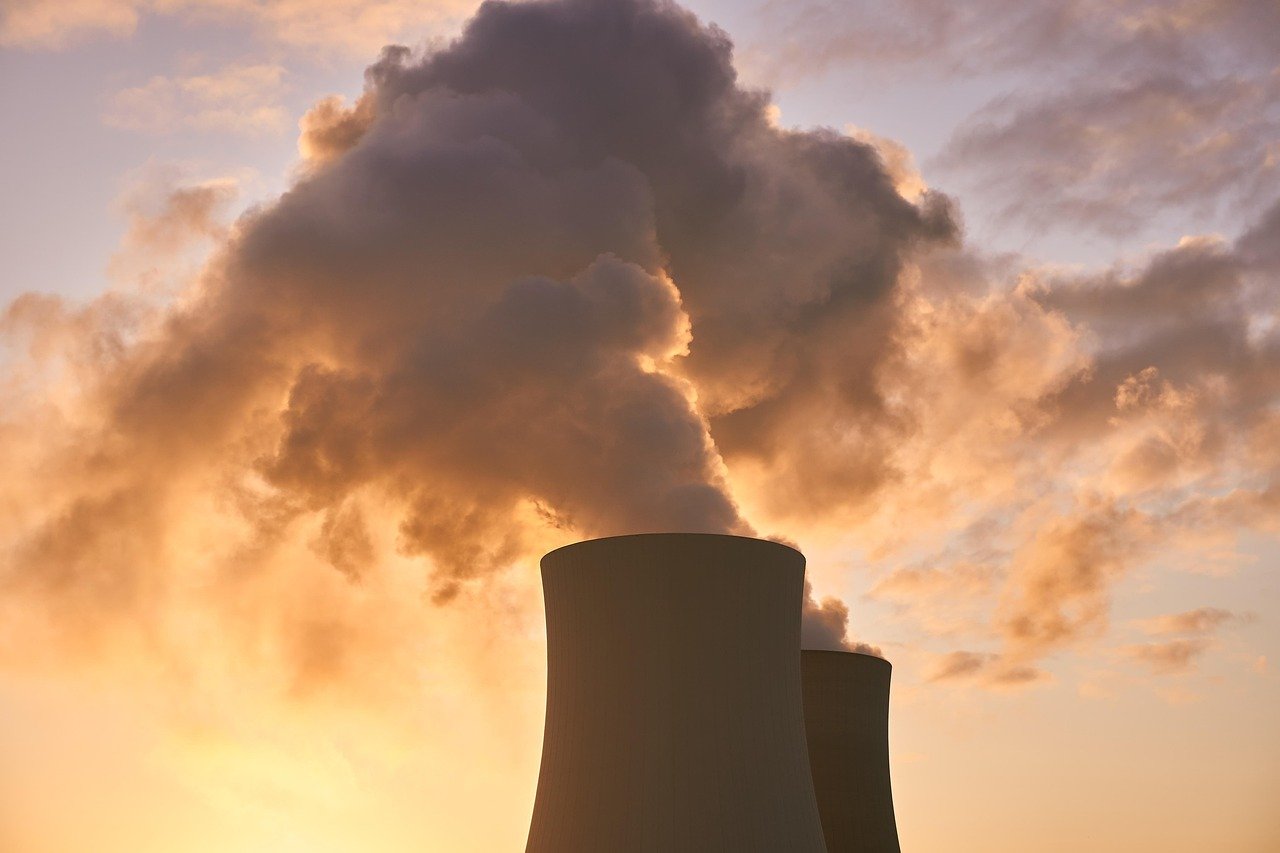
Cambridge nuclear energy research policy encompasses specialized academic inquiries into advanced fuel cycles, structural materials degradation, and waste management systems conducted by university departments and affiliated research institutes. This technical focus operates independently from large-scale commercial generation plants, which are situated in distinct coastal regions across England and Wales. By examining atomic structures under extreme thermal and radiative stress, researchers provide foundational data that informs both national regulators and international partners. Such foundational science remains essential for improving the safety margins and economic viability of next-generation nuclear infrastructure. The dialogue between academic output and civil service strategy ultimately influences how long-term capital investments are allocated within the broader science spending framework.
To understand the current domestic landscape, policymakers must maintain a strict analytical boundary between conventional nuclear fission and experimental nuclear fusion. Fission reactions, which split heavy atoms like uranium to release thermal energy, represent the foundation of existing commercial electricity generation. Operating power stations across the UK utilize these established fission reactors to provide reliable baseload power to the national transmission grid. In contrast, nuclear fusion attempts to replicate the energy-producing processes of the sun by fusing lighter atoms such as isotopes of hydrogen. While fusion holds enormous long-term promise for clean power generation, it is currently a developmental research programme rather than a commercial electricity source (UK Atomic Energy Authority, 2023). Recognizing this technological maturity gap prevents confusion when evaluating near-term energy security strategies.
Balancing Low-Carbon Targets and Energy Security
The Department for Energy Security and Net Zero outlines civil nuclear strategies designed to expand domestic capacity and reduce reliance on volatile international fossil fuel markets (DESNZ, 2023). Within this regulatory context, atomic generation offers a high-density power source that runs independently of weather conditions, thereby securing system stability. However, the path forward involves navigating complex financial hurdles, including substantial upfront capital costs and extended construction timelines. Academic studies examine these economic constraints alongside environmental metrics to determine how nuclear assets can best integrate with modern smart grids. Analysts also evaluate how climate adaptation planning must account for coastal station cooling requirements in a warming world.
Engineering challenges also extend to the microscopic behavior of reactor components exposed to intense neutron bombardment. Materials science investigations focus on developing alloys that resist swelling, embrittlement, and corrosion over decades of continuous operation. These laboratory insights feed directly into safety case evaluations managed by the Office for Nuclear Regulation. By testing theoretical models against empirical data, researchers help extend the operational lifespans of existing assets while establishing safety baselines for proposed new builds. This iterative testing process ensures that regulatory standards evolve in tandem with industrial capabilities.
Addressing Waste Management and Public Perception
Managing radioactive waste remains one of the most critical technical and political challenges facing the expansion of civil atomic power. Long-term disposal strategies require deep geological repositories capable of isolating hazardous materials from the biosphere over geological timescales. Academic groups contribute independent geological and chemical assessments to evaluate the integrity of engineered barrier systems and host rock formations. These scientific evaluations are vital for building public trust and ensuring that regulatory oversight remains transparent and evidence-based. Public concern regarding safety, radiation risks, and financial transparency continues to influence political debates surrounding new site approvals.
Public engagement strategies must address these concerns with clear, verifiable data rather than dismissive rhetoric. Research into public attitudes demonstrates that transparency regarding project costs, waste management, and safety protocols significantly alters community reception of energy infrastructure proposals. When citizens understand the rigorous testing standards applied to reactor materials and waste containers, support for science-backed energy policies tends to stabilize. Furthermore, integrating public engagement models into technical projects ensures that social dimensions are considered alongside physical engineering parameters from the outset.
Ultimately, the intersection of academic research and government strategy creates a comprehensive framework for navigating the nation’s energy transition. As policymakers weigh the financial investments required for large-scale fission projects against the horizon of future fusion breakthroughs, independent scientific rigour remains indispensable. By maintaining high standards of material testing, waste evaluation, and economic analysis, the academic sector supports a balanced and realistic path toward deep decarbonisation. The ongoing dialogue between researchers, regulators, and energy operators will continue to define the trajectory of low-carbon power generation for decades to come.
References:
Department for Energy Security and Net Zero (DESNZ). 2023. Civil Nuclear: Roadmap to 2050. London: UK Government Publishing.
UK Atomic Energy Authority (UKAEA). 2023. Fusion Research and Development Overview. Culham: UKAEA Publications.