


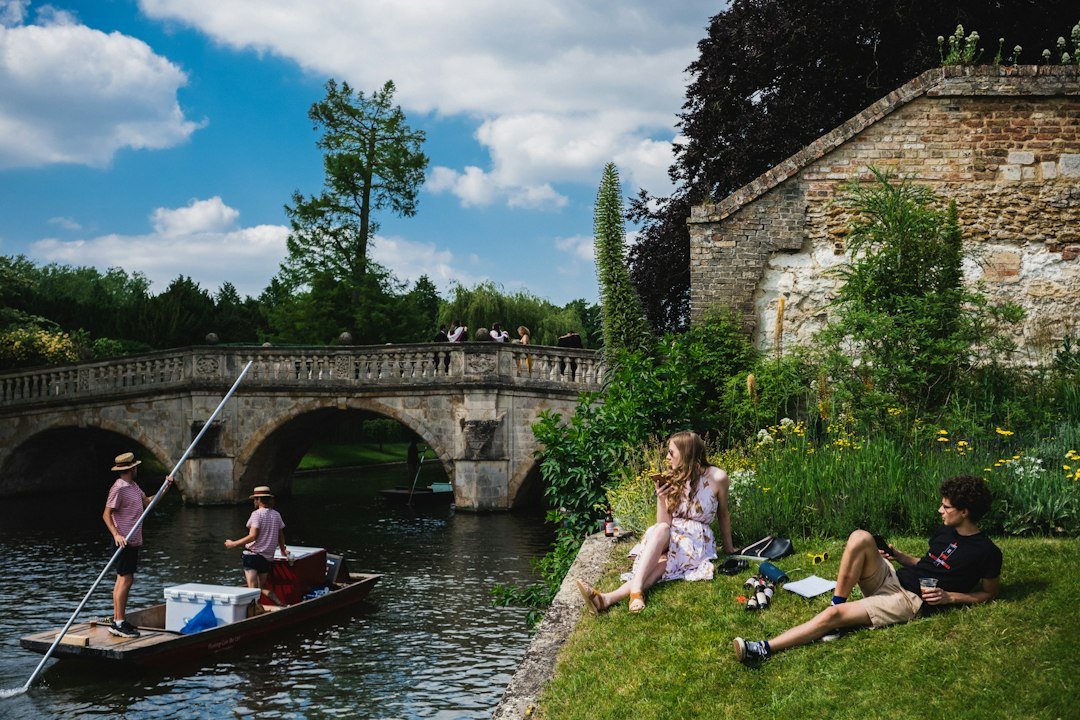
Cambridgeshire biodiversity nature recovery initiatives stand at a critical juncture as scientists, local authorities, and conservation groups evaluate the changing ecological health of the county. From the low-lying fenlands and chalk streams to intensive arable farmland and urban expansion zones, the region supports a unique assembly of plants and animals adapted to eastern England’s distinct environmental conditions. Understanding this regional ecology requires looking beyond broad national assessments and examining specific local habitats, catchment boundaries, and conservation frameworks. As human pressures on land and water continue to mount, structured environmental strategies are shaping how habitats are managed, restored, and connected across the county.
What Is Cambridgeshire Biodiversity Nature Recovery?
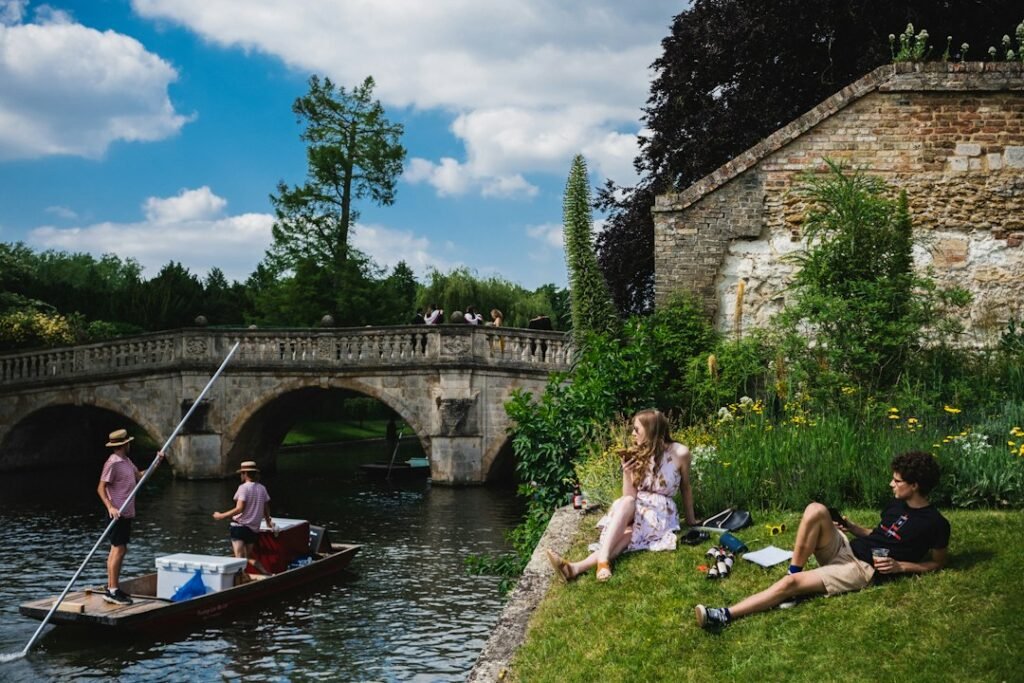
Cambridgeshire biodiversity nature recovery refers to the coordinated, science-led efforts to halt ecological decline and restore functioning habitats across the county’s varied landscape. This work involves safeguarding remnant wildlife sites, re-establishing ecological corridors between fragmented nature reserves, and improving water quality in chalk streams and fenland drainage networks. Academic researchers, public agencies, and community groups collaborate to monitor species populations, track environmental change, and implement targeted restoration measures that benefit both wildlife and local communities.
The geography of Cambridgeshire differs significantly from the wider Fenland basin that spans parts of Lincolnshire and Norfolk, possessing its own distinct mix of ancient woodlands, clay plateaus, and river valleys. While national frameworks often label broad regions as nature-depleted based on generalized metrics, local conservationists emphasize that county-specific evidence is essential for effective restoration. Detailed monitoring helps identify where populations of wading birds, native fish, and specialized flora are under pressure, and where strategic habitat creation can yield the greatest ecological returns.
The Ecological Role of Rivers and Chalk Streams
The river systems of Cambridgeshire, including the River Cam, the River Great Ouse, and rare chalk streams like the River Mel, provide vital lifelines for aquatic and terrestrial species. These watercourses support native brown trout, water voles, macroinvertebrates, and marginal plants that rely on clean, flowing water and stable banks. However, these aquatic habitats face continuous pressure from agricultural runoff, urban abstraction, and seasonal droughts that reduce flow rates and concentrate pollutants.
Environmental regulators and conservation partnerships monitor river health closely to guide restoration work. According to joint assessments by regulatory bodies, maintaining adequate river flows and reducing nutrient loading are essential steps for protecting aquatic biodiversity (Environment Agency and Natural England, 2023). Restoring natural meanders, removing obsolete weir structures, and establishing riparian buffer strips help slow surface water runoff and create shaded microclimates that protect fish and invertebrate populations from high summer water temperatures.
Beyond aquatic systems, the county’s extensive fenland remnants and low-lying wetlands support specialized wildlife communities found nowhere else in the country. Reedbeds, wet woodlands, and seasonally flooded washlands provide critical breeding and wintering grounds for numerous bird species, including marsh harriers, bitterns, and snipe. Managing these complex wetland environments requires careful hydrological control to mimic natural flooding cycles while balancing the drainage needs of adjacent agricultural land.
Farmland Management and Local Recovery Strategies
Agricultural land covers a vast majority of Cambridgeshire, making the farming sector a central partner in landscape-scale conservation. Integrating wildlife-friendly farming practices with commercial crop production helps bridge the gap between intensive land use and ecological restoration. Measures such as planting wildflower margins, retaining beetle banks, and managing hedgerows for fruit and cover provide essential foraging and nesting habitats for farmland birds, pollinators, and small mammals.
To coordinate these efforts across different landholdings, regional stakeholders have developed structured planning instruments. The Local Nature Recovery Strategy for Cambridgeshire and Peterborough establishes spatial priorities for habitat creation and enhancement, identifying where targeted interventions can link isolated nature reserves into a more resilient ecological network (Cambridgeshire and Peterborough, 2024). This strategic approach ensures that resources are directed toward areas where they can maximize biodiversity gains and support wider ecosystem services, such as natural flood management and carbon storage.
At the same time, national evidence provides a broader baseline for understanding systemic ecological pressures across the UK. The latest findings from the State of Nature partnership highlight long-term trends in species abundance and distribution, noting that while many native species continue to experience declines, targeted conservation action can reverse local losses when properly resourced and implemented (State of Nature Partnership, 2023). This national context helps local practitioners benchmark their progress and align county-level targets with broader biodiversity goals.
Urban Green Spaces and Community Action
Urban environments within Cambridgeshire, including Cambridge and major market towns, also contribute significantly to the county’s overall ecological network. Parks, allotments, churchyards, and sustainable urban drainage systems serve as stepping stones for pollinators, birds, and amphibians moving through built-up areas. Urban green spaces not only provide refuge for wildlife but also reconnect local residents with nature, fostering public support for wider environmental initiatives.
Public engagement plays a crucial role in sustaining long-term conservation outcomes across the region. Local wildlife trusts and community groups organize citizen science monitoring programmes, habitat management workdays, and educational campaigns that empower residents to participate directly in conservation. By combining rigorous academic research with grassroots community action, Cambridgeshire continues to refine its approach to safeguarding local ecosystems against future environmental challenges.
As climate patterns shift and development pressures evolve, maintaining resilient and interconnected habitats remains an ongoing priority for the county. Through evidence-based planning, catchment-scale river management, and collaborative farming partnerships, Cambridgeshire is working to secure a sustainable future for its diverse wildlife and natural landscapes.
References
Cambridgeshire and Peterborough. (2024). Local Nature Recovery Strategy: Spatial Framework and Consultation Report. Cambridgeshire County Council.
Environment Agency and Natural England. (2023). Catchment-Based Water Quality and Habitat Assessments for Eastern England. Government Publishing Service.
State of Nature Partnership. (2023). State of Nature 2023: UK and Country Biodiversity Indicators. State of Nature Partnership.
Wildlife Trust BCN. (2023). Reserves and Conservation Monitoring Report for Bedfordshire, Cambridgeshire and Northamptonshire. Wildlife Trust BCN.