


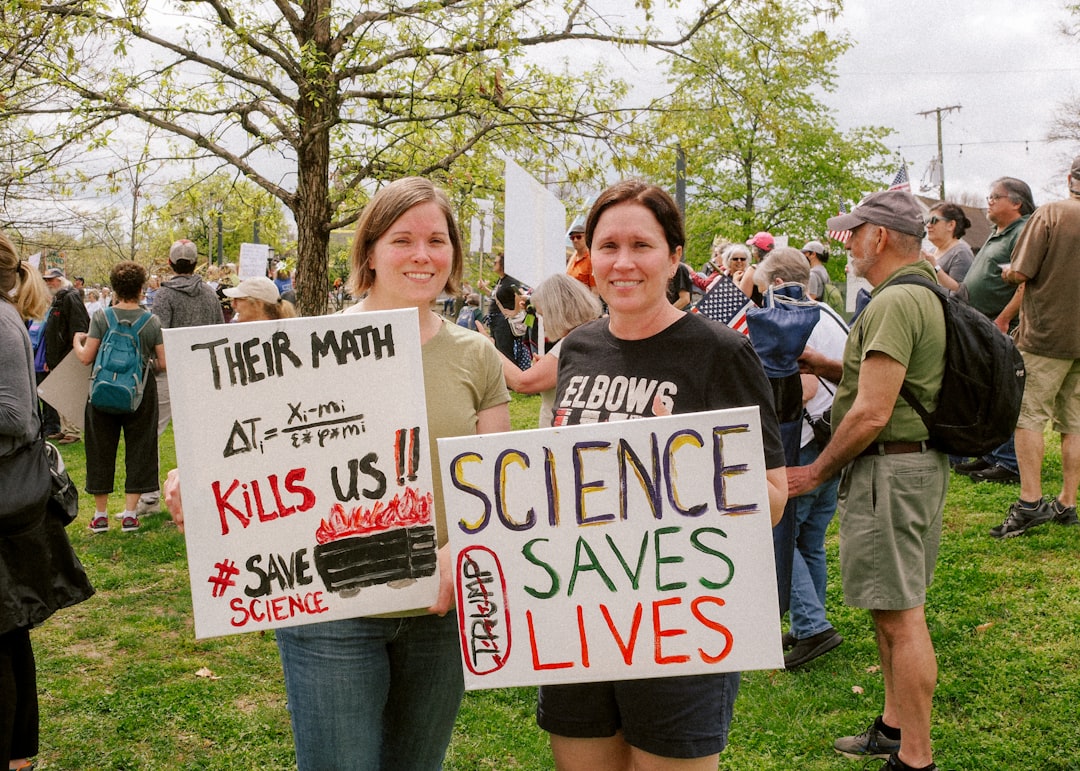
Cambridge produces an unusually large volume of research, but publication in an academic journal is only one stage in the life of a scientific idea. For research to influence public debate, education or policy, it also has to be explained clearly, with its limits and uncertainties intact.
The University of Cambridge describes public engagement as a two-way process: researchers share knowledge and resources with wider audiences, while communities can also contribute questions, experience and expertise. That distinction matters. Good science communication is not simply translating technical language into shorter sentences; it is about creating a useful exchange between researchers and the people affected by their work.
A city built around public engagement
Cambridge has a substantial public-engagement infrastructure. The University runs the Cambridge Festival, Open Cambridge, training programmes for researchers and a Public Engagement Starter Fund. In 2026, the Cambridge Festival reported around 50,000 participants across talks, workshops, performances and hands-on events.
These formats allow research to move outside laboratories and lecture halls. Public events can expose researchers to questions they may not hear within their own disciplines, while audiences gain a clearer sense of how evidence is produced and why scientific conclusions sometimes change.
Clarity without false certainty
One of the hardest parts of science communication is explaining uncertainty. Early-stage findings, observational studies and laboratory results are often reported as if they prove more than they actually do. That can create unrealistic expectations, particularly in health, climate and emerging technology.
Effective communication should distinguish between a hypothesis, a preliminary result, a peer-reviewed finding and something that has already been demonstrated in real-world use. It should also make clear when researchers disagree or when evidence remains incomplete.
This is particularly relevant in Cambridge, where fields such as artificial intelligence, genomics, quantum technology and biomedical research can attract highly optimistic headlines. Accessible language is useful, but accuracy matters more than excitement.
Public trust is not produced by simplification alone
Trust is easier to maintain when institutions explain what they know, what they do not know and how a conclusion was reached. Public engagement can also improve research itself by bringing in lived experience, local knowledge or questions that academic teams may not have considered.
Cambridge’s Community Knowledge Incubator Fund is one example of this more collaborative approach, supporting projects in which communities investigate questions with researchers where there is a clear shared benefit.
Science communication therefore works best when it is treated as part of research culture rather than as publicity added at the end. In a city whose identity is closely tied to universities, laboratories and technology companies, the quality of that communication affects not only how discoveries are understood but also how residents participate in debates about the future of Cambridge.