


Cambridge creative industries economy represents a vital yet frequently overlooked pillar of regional growth, operating alongside the world-famous life sciences and technology sectors. While global attention often fixes on Silicon Fen’s biotechnology labs and microchip designers, a thriving network of publishers, independent game developers, performing artists, and museum curators quietly powers the local job market. Understanding this ecosystem requires examining how distinct cultural institutions, local government strategies, and national frameworks intersect within Cambridgeshire. By distinguishing hyper-local urban initiatives from broader county-wide patterns, observers gain a clearer picture of how creativity translates into tangible municipal prosperity.
What Is Cambridge creative industries economy?
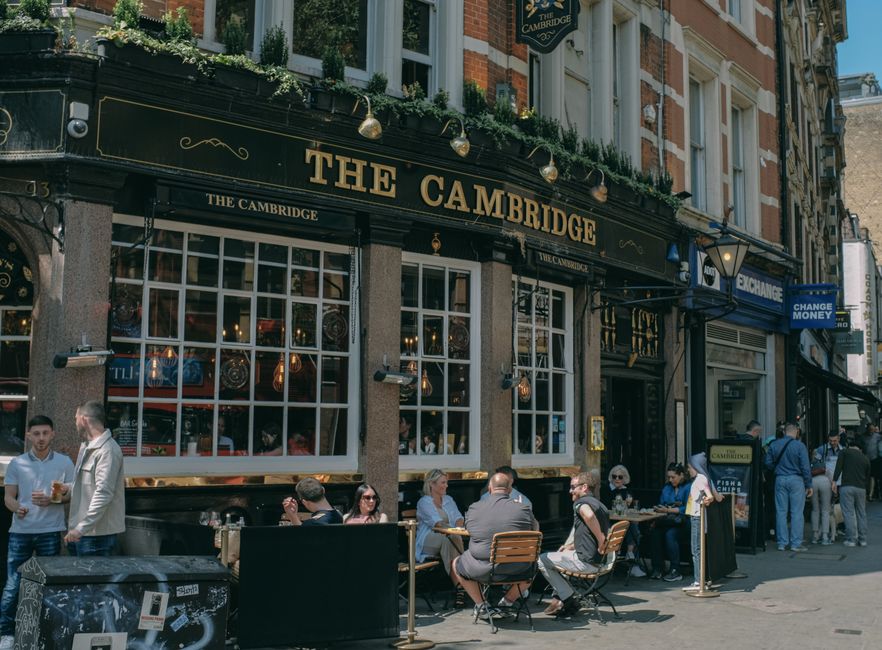
At its core, the Cambridge creative industries economy encompasses a diverse spectrum of commercial and non-profit endeavours ranging from heritage publishing houses to cutting-edge digital media studios. According to national frameworks set out by the Department for Digital, Culture, Media and Sport, creative sectors generally include advertising, architecture, crafts, design, fashion, film, TV, video games, publishing, and museums (DCMS, 2023). Within the specific geography of Cambridge city and the wider county of Cambridgeshire, this definition manifests as a unique blend of historic academic publishing and contemporary digital innovation. Local authorities and regional policymakers increasingly recognise that these varied enterprises do more than merely enrich civic life; they generate sustainable employment and attract tourism that benefits independent businesses across the region.
Publishing, Design and the Written Word
The historical bedrock of commercial culture in the city remains deeply tied to the written word, anchored by centuries-old academic publishing institutions and university presses. These entities provide steady employment for editors, typographers, indexers, and digital asset managers, forming a stable employment baseline that distinguishes Cambridge from other regional hubs. Beyond traditional print, local graphic design firms and branding agencies service the county’s vast engineering and technology clusters, proving that creative and technical fields constantly cross-pollinate. When examining regional employment data alongside national metrics provided by Arts Council England, it becomes clear that text-based and design-oriented enterprises anchor a significant portion of white-collar creative labour in Cambridgeshire (Arts Council England, 2022). Furthermore, this strong literary heritage directly influences public habits, reinforcing the city’s identity as a space where reading in Cambridge remains a central intellectual pursuit supported by both independent shops and public institutions.
Performing Arts, Museums and Cultural Infrastructure
Physical venues and performing arts organisations contribute significantly to both the social fabric and the fiscal health of the region. Local museums, theatres, and historic sites draw hundreds of thousands of visitors annually, supporting hospitality, retail, and transport networks throughout the city centre. Local governance strategies, shaped in collaboration with Cambridge City Council and Cambridgeshire County Council, consistently highlight the need to protect and expand this cultural infrastructure against rising commercial rents and urban development pressures. As noted in regional assessments, maintaining accessible cultural spaces ensures that diverse populations can engage with the arts without financial exclusion (Cambridge City Council, 2024). Educational outreach programmes anchored by these institutions frequently transform galleries and exhibition halls into active classrooms, a dynamic explored further through local initiatives like museum learning in Cambridge.
Digital Media, Games and Future Growth
In addition to heritage and the performing arts, modern digital media and interactive entertainment sectors have carved out a substantial presence across Cambridgeshire. Independent game development studios and software designers leverage the region’s strong talent pipeline, drawing graduates from local higher education institutions into viable commercial careers. Verified industry reports indicate that these digital sub-sectors contribute disproportionately to high-value job creation, offering competitive salaries that help retain young professionals within the county. Balancing this high-tech growth with traditional cultural preservation remains a primary objective for regional planners who wish to avoid the pitfalls of monocultural economic dependence. Through targeted grants, municipal support, and strategic partnerships, local authorities aim to sustain an environment where both heritage institutions and nascent creative startups can flourish side by side.
Ultimately, the economic resilience of the region depends on maintaining this delicate equilibrium between commercial innovation and cultural preservation. As municipal strategies evolve to meet contemporary financial challenges, the ongoing collaboration between civic leaders, educational bodies, and creative practitioners will determine the sector’s long-term trajectory. By valuing creative enterprises not merely as leisure amenities but as essential economic drivers, Cambridge secures a more vibrant, balanced, and prosperous future for all its residents.
References
- Arts Council England. 2022. The Value of Arts and Culture in Regional Communities: East of England Strategy. London: ACE Publications.
- Cambridge City Council. 2024. Cambridgeshire Cultural Infrastructure and Economic Assessment Report. Cambridge: Local Government Publishing.
- DCMS. 2023. Creative Industries Economic Estimates: Methodology and Current Definitions. Department for Digital, Culture, Media and Sport, London.