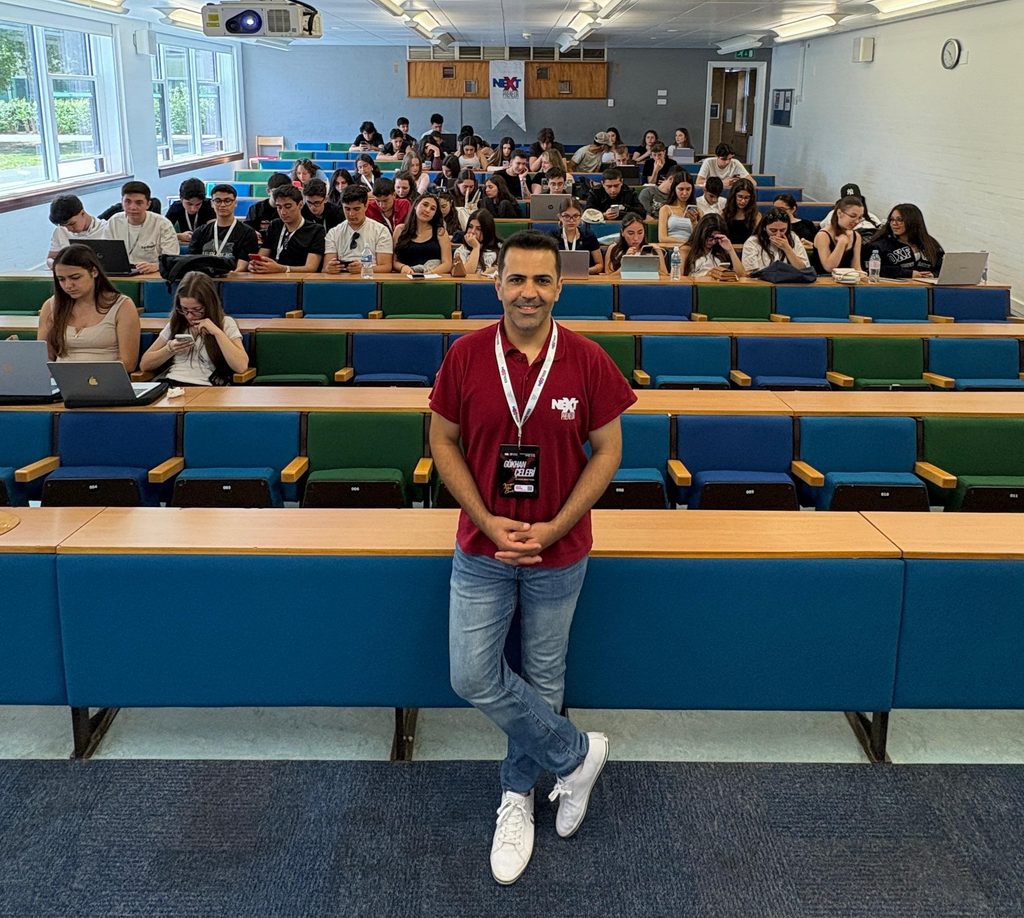


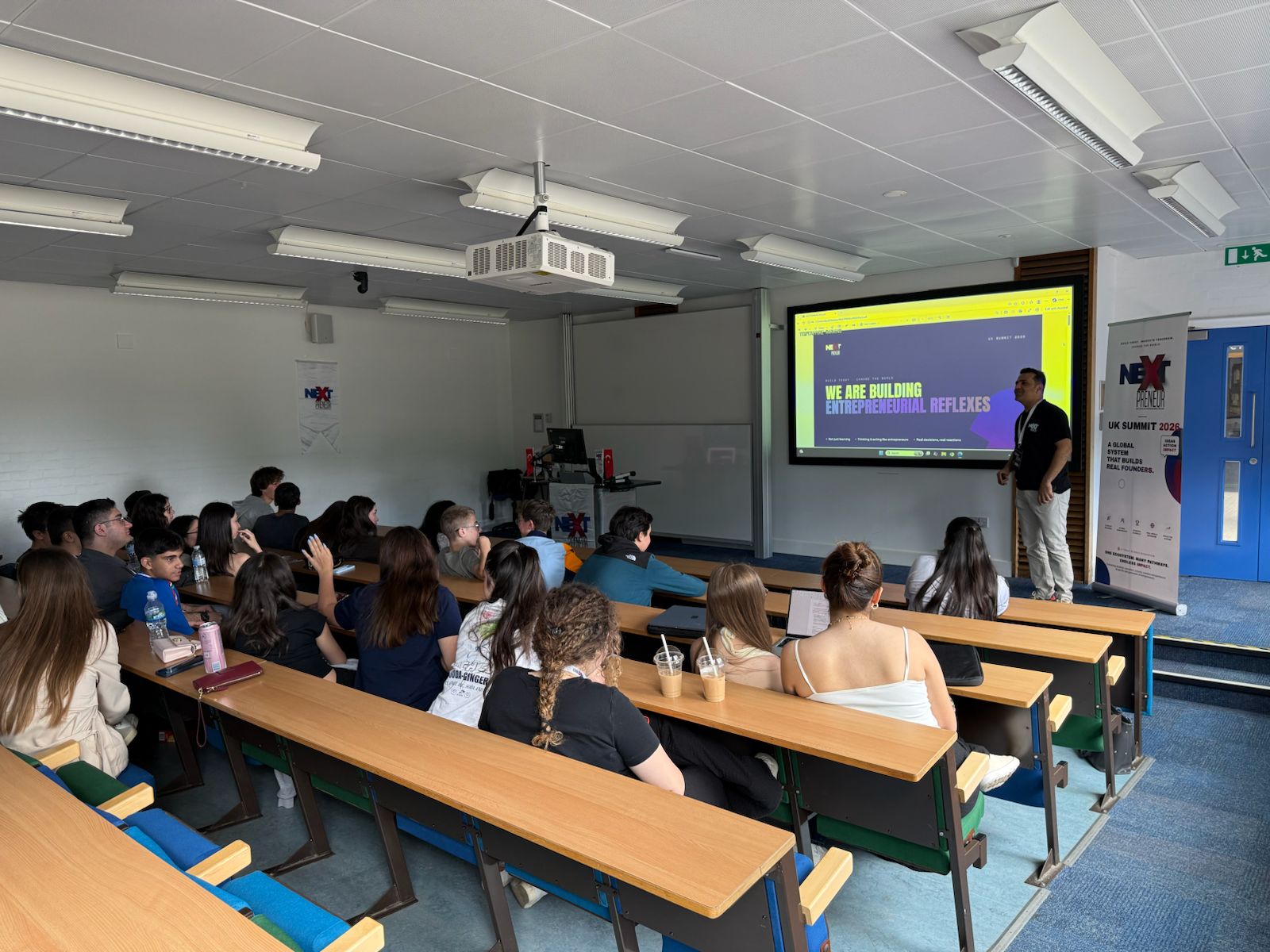
NextPreneur is preparing to bring young people from different backgrounds together in the United Kingdom for its 2027 Global Summit, a week-long programme focused on entrepreneurship, problem-solving and international learning.
The summit will run from 27 June to 4 July 2027 and follows NextPreneur’s 2026 entrepreneurship programme in Reading. The new edition is intended to expand the organisation’s international reach and create a broader meeting point for students, educators, mentors and entrepreneurs.
Learning entrepreneurship before university
NextPreneur’s model is built around practical experience. Rather than introducing entrepreneurship only as a business-school subject, the programme asks middle and high school students to work on real problems, test ideas, develop solutions and communicate those ideas as potential ventures.
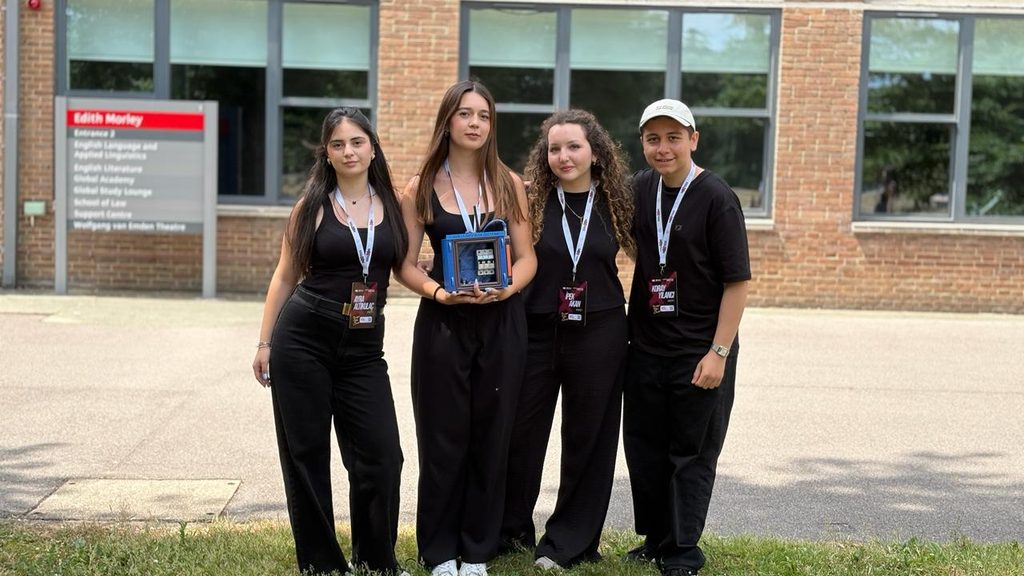
The 2027 summit is expected to combine student presentations, mentoring, networking, university experiences and cultural activities. Students will be encouraged to explore ventures in areas including artificial intelligence and technology, social impact and sustainability, health and wellbeing, and consumer entrepreneurship.
The programme also places emphasis on skills such as teamwork, leadership, creativity, communication and pitching — capabilities that are increasingly relevant in both higher education and the future workplace.
Gökhan Çelebi: “Entrepreneurship has no minimum age”
NextPreneur founder Gökhan Çelebi argues that young people do not need to wait until university to begin developing an entrepreneurial mindset.
“Entrepreneurship has no minimum age. Young people are already surrounded by real problems, technology and new ideas. What they often need is the right environment to turn their curiosity into action.”
Çelebi said the programme is intentionally structured around doing rather than simply listening. Students identify a problem, develop and validate an idea, work as a team, build a business model and learn how to explain their concept to others.
He also described the international aspect as one of the programme’s most important elements, giving students the opportunity to present ideas in a global setting, meet mentors and entrepreneurs and begin forming international connections at an early stage.
According to Çelebi, the aim is not to persuade every participant to become a founder. The wider ambition is to help students leave with greater confidence, a stronger problem-solving mindset and a clearer sense that they can create ideas with global potential.