


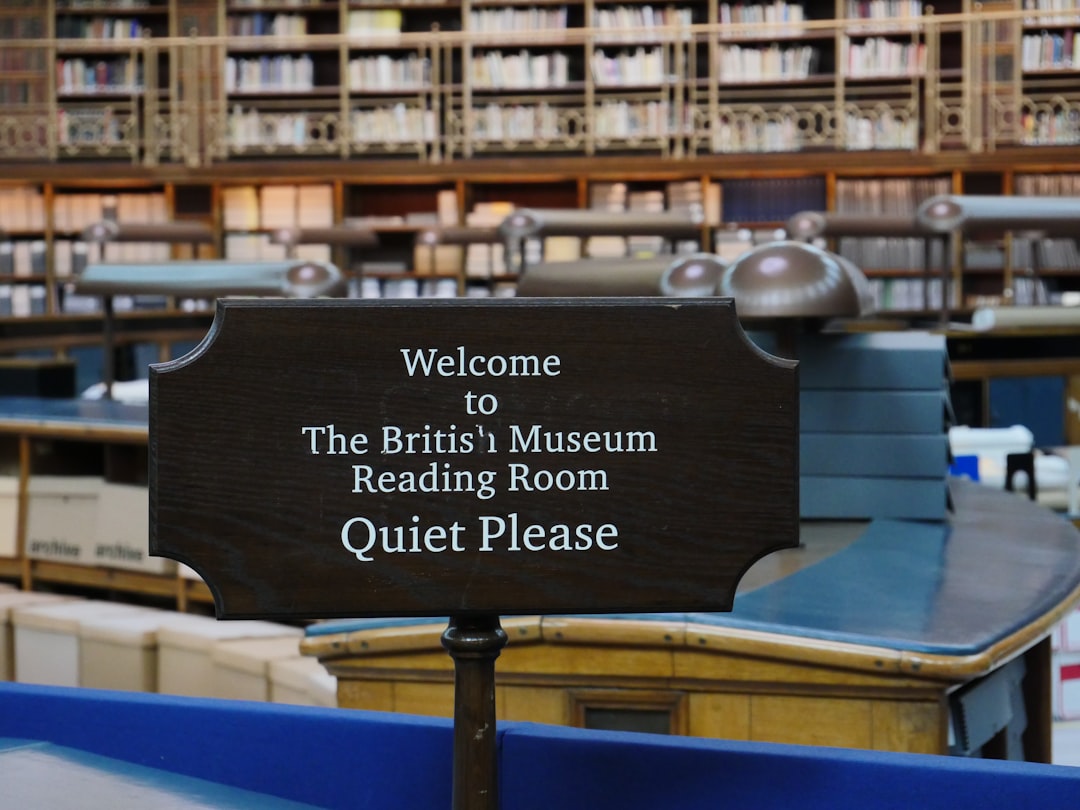
Reading in Cambridge is no longer tied to a single format. Printed books, eBooks, audiobooks, newspapers and academic material now sit alongside one another, and the more useful question is not whether digital media has replaced reading but how people make room for sustained attention in a crowded information environment.
Cambridge is unusually well placed to examine that change. It is a university city with a dense network of libraries, bookshops, schools and cultural institutions, but it is also part of a county where access to information increasingly depends on digital services as well as physical collections.
Libraries remain part of the reading infrastructure
Cambridgeshire Libraries provide far more than shelves of printed books. Library members can currently access eBooks, eAudiobooks, magazines, comics and newspapers through services including Libby, BorrowBox, uLibrary and PressReader. That means the distinction between a physical library and a digital reading service is increasingly blurred.
The importance of this model is practical. A reader may discover a title online, listen to it while travelling and still use a library building as a quiet place to work or study. Digital access expands choice, while physical libraries continue to offer something screens cannot easily reproduce: shared public space where people can spend time without being required to buy anything.
Attention is the harder problem
The pressure on reading today is less about the disappearance of books than competition for attention. Notifications, short-form video and constant switching between apps can make long-form reading harder to sustain. That does not mean digital reading is inherently shallow. An eBook or long article can demand as much concentration as print. The difference is often the environment in which it is read.
Cambridge’s libraries, study spaces and cultural institutions therefore matter not simply because they provide material, but because they create conditions in which sustained attention is easier. For students this may support academic work; for other residents it can mean reading for pleasure, learning a new subject or simply having somewhere calm to think.
A mixed reading culture rather than a print-versus-screen debate
The strongest reading culture is likely to be one that treats formats as complementary. Audiobooks can widen access for people who find print difficult or who want to read while commuting. Digital newspapers provide breadth and immediacy. Printed books remain attractive for readers who prefer a slower, distraction-light experience.
That mixture is already visible in Cambridgeshire’s public library offer. The challenge is ensuring that access to digital material does not depend entirely on a person’s income, equipment or confidence online. Libraries increasingly sit at the intersection of reading, digital inclusion and community life.
For Cambridge, that makes reading culture less a nostalgic question about whether people still pick up books and more a question of whether residents have the time, space and access needed to engage deeply with ideas.