


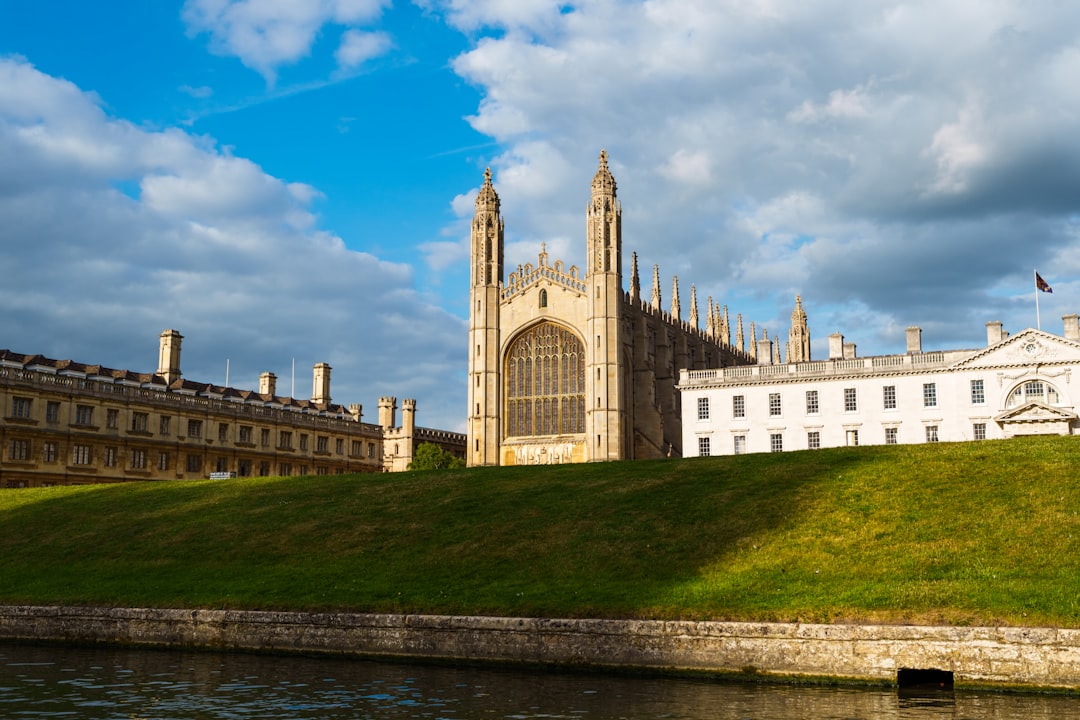
Cambridge heritage sites conservation requires a delicate balance between protecting centuries-old architectural marvels and accommodating the pressing demands of a rapidly modernizing urban center. As one of the world’s most renowned university towns, Cambridge possesses a distinct built environment characterized by medieval street patterns, historic college quadrangles, and significant archaeological layers buried beneath the modern surface. This intricate physical layout is not merely a nostalgic monument to bygone eras; it functions as a living, breathing framework that actively shapes civic life, local planning decisions, and community identity. Managing this delicate fabric involves navigating complex regulatory structures designed to safeguard designated buildings and conservation zones while supporting sustainable urban growth.
What Is Cambridge Heritage Sites Conservation?
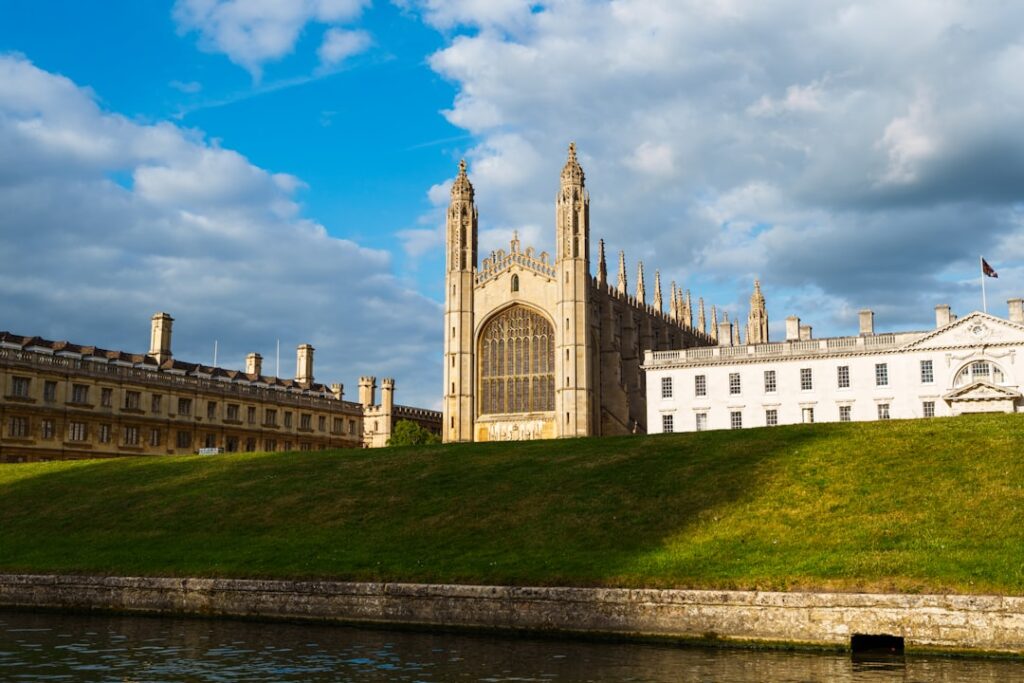
Cambridge heritage sites conservation is the systematic practice of protecting, managing, and maintaining historic assets, buildings, archaeological sites, and conservation areas across the city. This regulatory and practical discipline ensures that physical interventions—whether minor repairs to a medieval college chapel or major public infrastructure projects—respect the historic significance of the environment. Unlike cities that experience wholesale redevelopment, Cambridge retains an unusually high concentration of protected structures, ranging from internationally famous university foundations to modest civic buildings and residential streets that tell the story of everyday life over the centuries.
Understanding this practice requires examining the specific legal and planning designations that govern the city. Heritage assets in Cambridge are categorized carefully to ensure appropriate levels of protection. These distinctions help planners determine what alterations are permissible and how new developments must integrate into the historic streetscape. According to national policy frameworks, local authorities must weigh the conservation of these assets against public benefits such as housing delivery, economic vitality, and sustainable transport improvements (Historic England, 2023).
The city’s historic character is further protected through designated zones that encompass entire neighborhoods rather than single structures. These areas preserve the architectural and historic interest of groups of buildings, open spaces, and traditional paving or street layouts. Protecting these zones involves strict guidelines on materials, scale, and design to prevent unsympathetic modern intrusions that could erode the unique character of the university town.
Recognizing Listed Buildings and Conservation Areas
The built environment of Cambridge relies heavily on the formal statutory protection of listed buildings and conservation areas. Listed buildings receive legal protection due to their special architectural or historic interest, categorized by grades that reflect their national importance. Alterations to these properties require specific listed building consent, ensuring that traditional materials like clunch, brick, and Welsh slate are repaired using authentic techniques. This regulatory oversight prevents alterations that might compromise the structural integrity or aesthetic harmony of the historic core.
Complementing individual listed structures, conservation areas protect the broader spatial qualities of the city. These designated zones recognize that the setting of a historic building is often as important as the building itself. Narrow medieval lanes, historic market squares, and collegiate courtyards form interconnected spaces that require holistic management. Local planning policies emphasize that new developments within or adjacent to these zones must preserve or enhance their established character, maintaining the visual and historical continuity that defines the local cityscape (Cambridge City Council, 2022).
Furthermore, archaeological layers beneath the streets demand careful archaeological assessment before any significant ground-working takes place. From Roman settlements to medieval monastic foundations, Cambridge sits atop deep historical strata. Planning authorities work closely with developers to record and preserve these underground artifacts, ensuring that physical growth does not inadvertently destroy the hidden history of the settlement.
Balancing Preservation, Housing, and Urban Growth
One of the most persistent challenges in contemporary Cambridge is reconciling heritage preservation with the demands of a growing regional economy and population. As a major hub for science, technology, and higher education, the city faces acute pressures regarding housing affordability, commercial space, and transport infrastructure. Strict conservation boundaries and the imperative to protect historic viewcones can limit where and how high new buildings can rise, often leading to intense debates among planners, developers, and community advocates.
Transport planning within a medieval street network presents another complex logistical hurdle. Integrating modern sustainable transport initiatives, such as safe cycling lanes and efficient public transit, into narrow historic streets requires creative engineering and careful spatial management. Planners must ensure that modern infrastructure elements, like signage, cycle racks, and charging points, do not visually clutter sensitive conservation areas or damage historic paving and street furniture.
At the same time, cultural spaces and public venues must adapt to contemporary accessibility standards and safety regulations without losing their historical authenticity. Ensuring that historic colleges, museums, and civic halls are welcoming to all visitors often involves sensitive interventions, such as discreet ramps, modern lighting, and improved wayfinding systems. These adaptations demonstrate that heritage conservation is not a static exercise in museumification, but a dynamic process that allows historic places to remain functional and relevant to modern audiences.
Civic Life and the Future of Historic Places
Ultimately, the conservation of historic places in Cambridge is deeply entwined with the quality of everyday public life. The physical environment directly influences how residents and visitors experience the city, fostering a sense of place and continuity that transient modern developments struggle to replicate. Historic squares, college gardens, and public libraries serve as vital communal hubs where academic and civic communities intersect, supporting local culture and intellectual engagement.
As the city continues to evolve, the framework governing historic assets must remain flexible yet robust. Collaborative efforts between local authorities, national agencies, and community groups ensure that future development respects the past while addressing modern societal needs. By treating heritage as an active component of spatial planning rather than an obstacle to progress, Cambridge can maintain its distinctive identity while accommodating sustainable growth for generations to come.
References:
Cambridge City Council. 2022. Local Plan and Heritage Guidance Documents. Cambridge: Cambridge City Council Planning Directorate.
Historic England. 2023. Conservation Principles, Policies and Guidance for the Sustainable Management of the Historic Environment. Swindon: Historic England.