


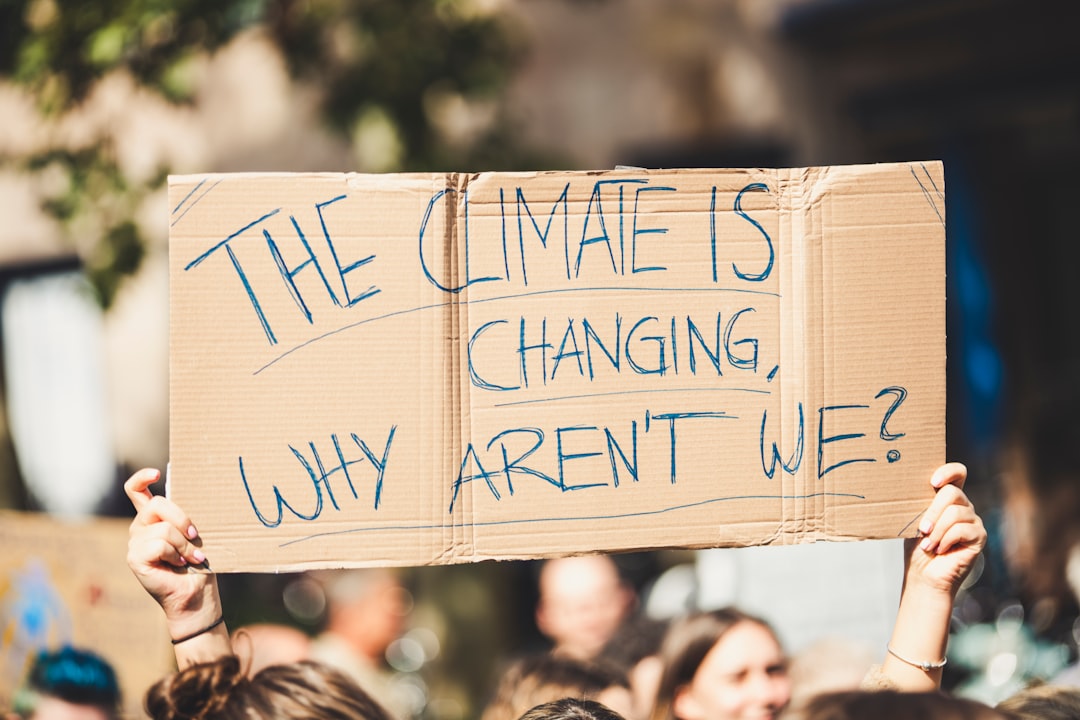
Climate Science Communication serves as the essential bridge between rigorous academic research and the informed participation of the public in policy decisions. As our collective understanding of environmental shifts matures, the way this data is presented becomes as vital as the research itself. When scientists and communicators translate complex models into accessible narratives, they foster a more stable environment for public debate. This clarity is necessary not only for general awareness but for maintaining trust in the institutions that provide our most reliable empirical evidence. Ensuring that this communication remains precise yet understandable is a primary responsibility for the scientific community today.
What Is Climate Science Communication?
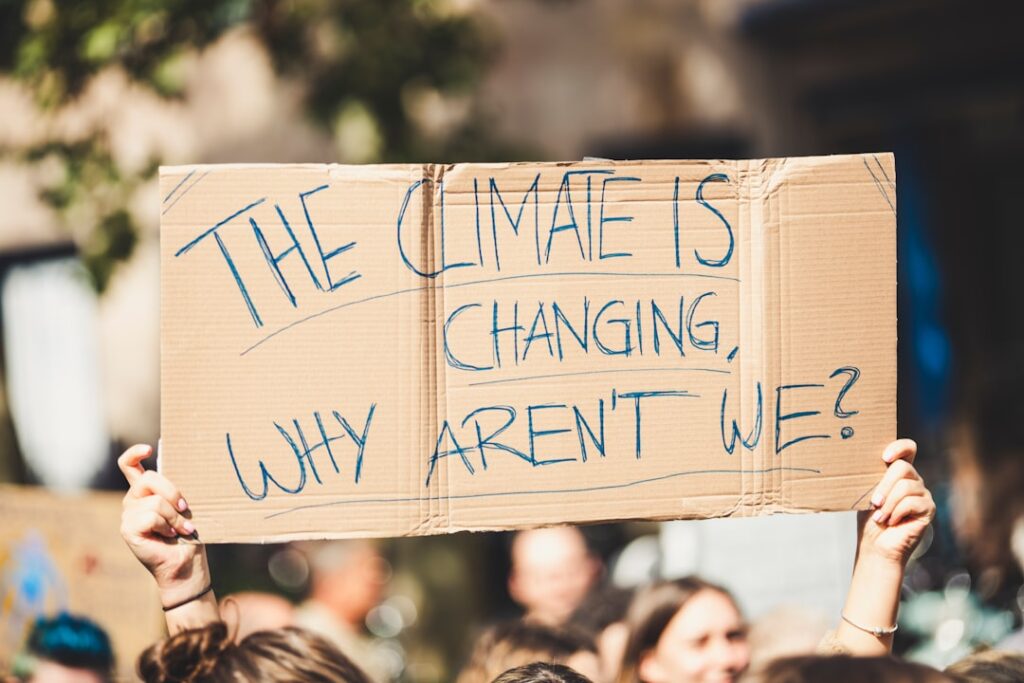
Climate Science Communication involves the strategic transmission of data regarding ecological systems to a diverse audience. It requires stripping away excessive technical jargon without compromising the integrity of the findings. Effective outreach requires that the speaker acknowledges the gravity of empirical observations while providing the necessary context for citizens to process what is being communicated. When communication fails to hit this balance, public confusion often replaces constructive dialogue, leading to fragmented policy discussions and diminished interest in evidence-based solutions.
The urgency of clear communication is highlighted by the scale of current environmental changes. For instance, the Intergovernmental Panel on Climate Change clarifies that human activities have unequivocally caused global warming (Intergovernmental Panel on Climate Change, 2023). When such authoritative bodies produce reports, the public relies on clear, honest reporting to grasp the scope of these developments. If such findings are obscured by overly technical language, the link between scientific discovery and daily life becomes frayed, weakening the collective capacity to respond to significant atmospheric changes.
The Role of Evidence in Policy Debate
Robust public policy relies upon a shared understanding of reality, which is why clear communication is a prerequisite for functional governance. In the United Kingdom, for example, the focus on UK government R&D spending illustrates how state-level investment is tied to scientific capacity. When citizens understand how research translates into tangible data, they are more likely to support the long-term funding required for sustained environmental monitoring. If the public cannot see the connection between empirical data and their own wellbeing, support for critical research infrastructure may wane.
Communicators must address the specific metrics used by researchers to demonstrate that warming is a documented phenomenon. The data clearly indicates that the global surface temperature was 1.1°C higher in 2011 to 2020 than in 1850 to 1900 (Intergovernmental Panel on Climate Change, 2023). This specific figure provides a manageable, concrete benchmark for public discussion. By using such consistent, data-backed markers, the conversation remains grounded in observable history rather than theoretical speculation or political rhetoric.
Improving Clarity and Building Trust
Trust in scientific expertise is rarely automatic; it is built through transparency and repeated demonstrations of accuracy. When scientific findings are presented, they must account for the lived experience of the population, particularly as extreme weather events begin to impact public health directly. Reporting on topics such as why heat waves threaten health shows that technical climate data is directly relevant to our survival. When information is communicated in a way that respects the reader’s intelligence, it creates a more resilient and informed society.
The challenge for many researchers is to avoid the temptation to oversimplify for the sake of mass media headlines. While brevity is often necessary, losing the nuance of a scientific finding can lead to misunderstandings that eventually erode public trust. For example, comparing institutional research environments, such as how young scientists compete for grants, reveals that even within academia, communication must be precise to be credible. The public, much like the scientific community, requires clarity to understand that Climate Science Communication is a process of constant refinement.
We must acknowledge that the data provided by experts serves as the foundation for the structural changes required for a sustainable future. The fact that the global surface temperature increase is unequivocally tied to human activity necessitates a shift in how we talk about our responsibilities (Intergovernmental Panel on Climate Change, 2023). By focusing on verifiable evidence rather than polarizing conjecture, we can elevate the quality of public discourse. This shift toward clearer, more transparent communication is the most effective way to ensure that policy remains responsive to the reality of the climate crisis.
Moving forward, the goal should be to create a dialogue that prioritizes the dissemination of reliable data over the noise of opinion-based media. When the public is empowered with accurate information, the capacity for reasoned debate increases, as does the appetite for evidence-based reform. By maintaining this focus on analytical clarity and institutional transparency, the scientific community can guide the public toward a more stable and informed future. We must remain committed to the idea that clarity, combined with integrity, is the only way to sustain public interest in the work that matters most for our long-term survival.
References
Intergovernmental Panel on Climate Change. Climate Change 2023: Synthesis Report. 2023.