


A new analysis suggests that not all renewable energy sources contribute equally to carbon reduction, highlighting the need for more targeted climate strategies. While the shift to green energy is central to national policy, the long-term effectiveness of various technologies appears to fluctuate significantly depending on the regional context.
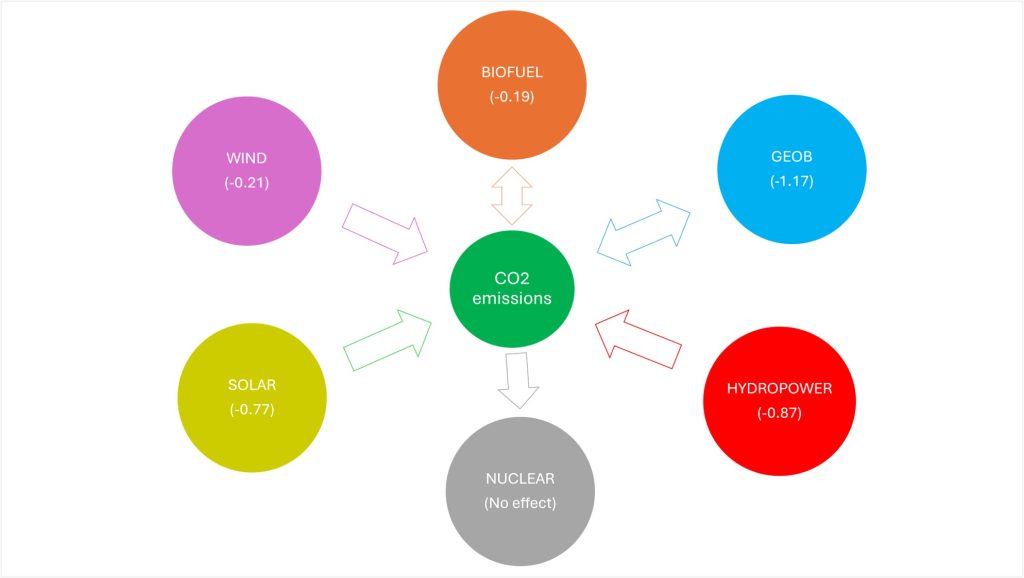
The research, conducted by Gaetano Perone, examined data across 27 OECD countries to evaluate six distinct renewable energy sources. The findings indicate that geothermal energy, biomass, and hydropower offer the most substantial long-term reductions in carbon emissions. Solar power was found to be effective, though generally less impactful than the aforementioned sources over extended periods. Wind energy and biofuels, meanwhile, showed smaller overall effects on emissions reduction.
For policymakers, these results suggest that blanket investments in renewable energy may not yield consistent results. Instead, the study argues that governments should prioritise technologies that are best suited to their specific national geography and resource availability. This pragmatic approach is essential for ensuring that infrastructure spending delivers measurable environmental gains.
The transition to a sustainable economy requires careful consideration of how resources are allocated, much like broader efforts to foster sustainable innovation across different sectors. As nations attempt to meet ambitious climate targets, understanding which technologies provide the highest return on investment is critical.
These findings serve as a reminder that local conditions remain a significant factor in national policy success. Just as regional economic disparities influence the effectiveness of small business productivity across Britain, the performance of green energy projects is inherently tied to the specific environment in which they are deployed.
Ultimately, the report encourages a more nuanced approach to decarbonisation. By aligning renewable energy choices with national strengths, governments can better manage the transition to net zero while ensuring that public funds are used effectively to achieve genuine environmental impact.