


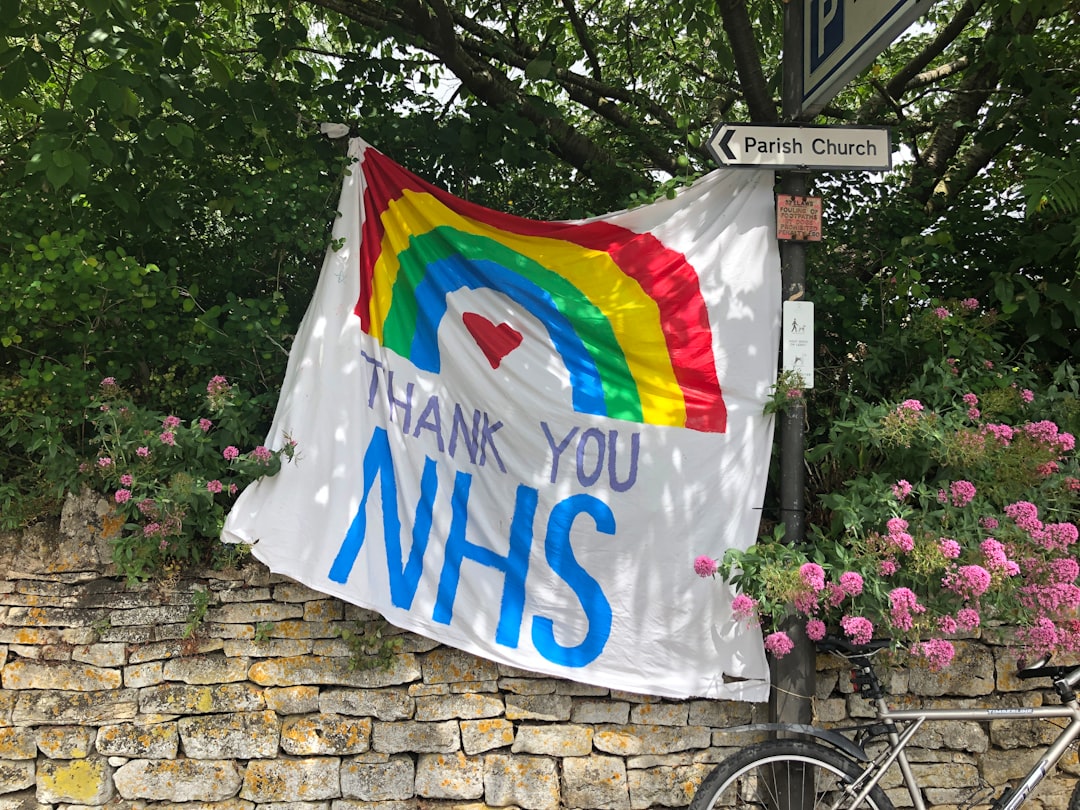
NHS Health Inequalities represent a significant challenge for the United Kingdom, impacting how different segments of the population interact with medical services. Access to care is not merely about the existence of hospitals or clinics, but about the practical ability of individuals to utilize these resources effectively. When health outcomes diverge based on geography, household income, and the reach of local services, the foundational principles of the healthcare system face real-world friction. Understanding these variations requires a neutral examination of the systemic barriers that prevent consistent engagement with medical providers.
What Is NHS Health Inequalities?
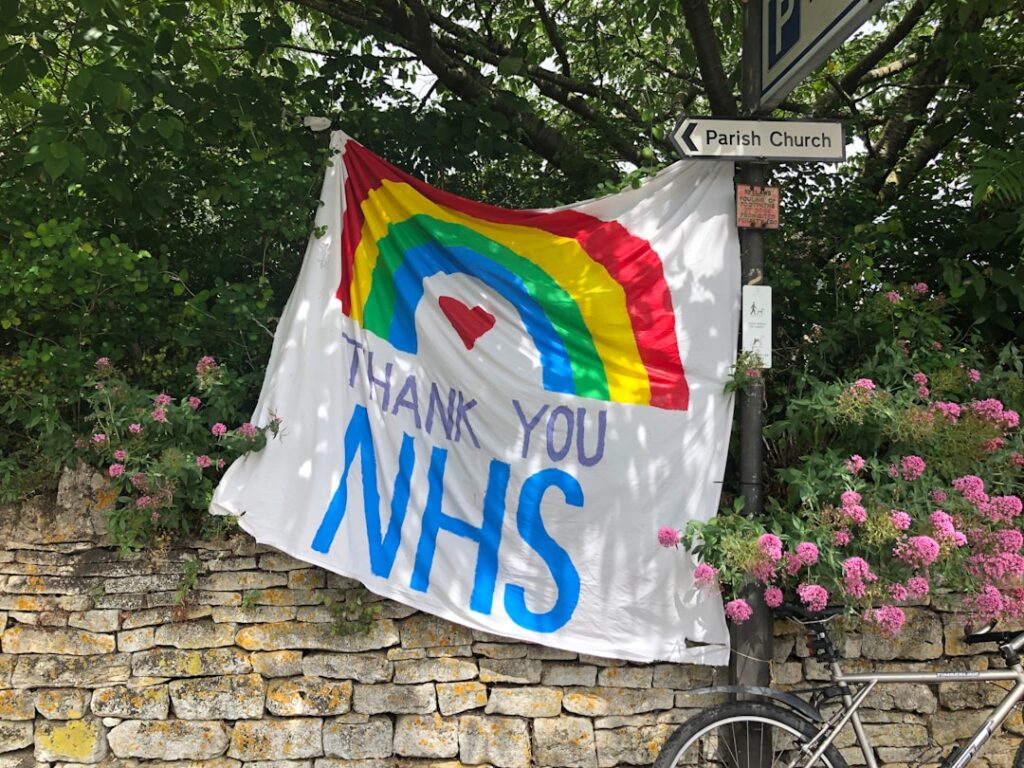
NHS Health Inequalities refer to the avoidable and unfair differences in health outcomes experienced by diverse groups of people across England. These disparities often stem from a combination of socioeconomic status, regional infrastructure, and the varying availability of early intervention programs. While the service is designed to be free at the point of delivery, the indirect costs of seeking help—such as time off work, transport logistics, and the navigation of digital booking systems—can create hidden hurdles. For those living in economically deprived areas, these burdens are magnified, leading to a landscape where health is often dictated by one’s postcode or occupation.
The Role of Geography and Income
Geography plays a central role in how patients experience the national health system. Rural residents often face longer travel times for specialized appointments, while urban dwellers may struggle with the intense pressure placed on local hubs, which can lead to extended NHS waiting times. These regional variations mean that a patient’s proximity to a diagnostic centre or a primary care physician significantly influences their speed of diagnosis. Simultaneously, household income acts as a silent arbiter of health status. Lower-income families may face difficulty prioritising routine screenings when immediate financial demands require their full attention.
The correlation between deprivation and poorer health outcomes is well-documented in academic research. As noted in the major analysis of long-term trends, health inequalities in England widened significantly, and improvements in life expectancy stalled in the years after 2010 (Marmot et al., 2020). This stagnation suggests that the structural determinants of health—ranging from housing quality to employment stability—are as influential as the medical care itself. When these social factors remain unaddressed, the burden on clinical services increases, creating a cycle where the most vulnerable populations become the most frequent users of emergency care.
Prevention and Systemic Strain
Effective prevention is the cornerstone of a sustainable healthcare model, yet it remains unevenly distributed. Promoting preventive health requires a high degree of health literacy and the time to engage with long-term lifestyle changes. For individuals living in high-stress environments, the focus is naturally on immediate survival rather than long-term wellness. If the system fails to provide accessible, community-level guidance on nutrition, exercise, and early symptom identification, the gap in health outcomes between affluent and deprived areas will inevitably persist.
Recent data underscores the urgency of addressing these gaps to prevent further decline in public health metrics. The findings presented in the official review confirm that the progress in health equity had largely halted in the decade following the start of the 2010s (Marmot et al., 2020). This period highlighted that when public resources are stretched, the first areas to suffer are often the preventive and community-based services that keep people out of hospitals. By shifting the focus toward local, accessible education and support, the system could potentially mitigate some of these deep-seated disparities.
Navigating Access Barriers
The transition toward digital-first healthcare has introduced new complexities for patients across the country. While online portals offer efficiency for those with stable internet and high digital literacy, they can act as a barrier for those on the wrong side of the digital divide. Older adults and low-income households may find it difficult to navigate complex booking platforms or secure virtual consultations. These technological shifts, if not accompanied by traditional, human-centred support, risk exacerbating existing gaps in engagement.
Furthermore, the physical accessibility of local clinics remains a point of concern for many communities. Infrastructure investment is often uneven, leading to clusters of well-serviced areas alongside ‘medical deserts’ where residents must travel long distances for even basic screenings. Addressing this requires a nuanced approach that considers local transport links and the specific needs of the demographic served by each facility. Without this local tailoring, the broad mandate of national care is difficult to translate into tangible benefits for every citizen.
The evidence is clear that these challenges are not just about medical technology or clinical staffing numbers. The broader determinants of wellbeing remain central to the discussion, as seen in the conclusion that health inequalities were already entrenched and growing before the global health crises of the early 2020s (Marmot et al., 2020). Policymakers and local health boards must work in tandem to ensure that support reaches those who are most likely to miss out on routine checks. By prioritizing the accessibility of care, the system can move toward a more equitable model that serves all residents, regardless of their background or current socioeconomic status.
Ultimately, the objective is to create a landscape where health outcomes are determined by individual choice and biological factors, rather than the lottery of one’s circumstances. Strengthening community ties and ensuring that primary care is genuinely reachable for everyone will be essential in the coming years. By fostering an environment where prevention is integrated into daily life, and access is shielded from the complications of geography and income, the quality of public life can be preserved for generations to come. Continuous monitoring of these factors will be necessary to ensure that interventions are effective and that the goal of equitable access remains a central focus of future developments.
References
Marmot, Michael et al. Health Equity in England: The Marmot Review 10 Years On. Institute of Health Equity. 2020.