

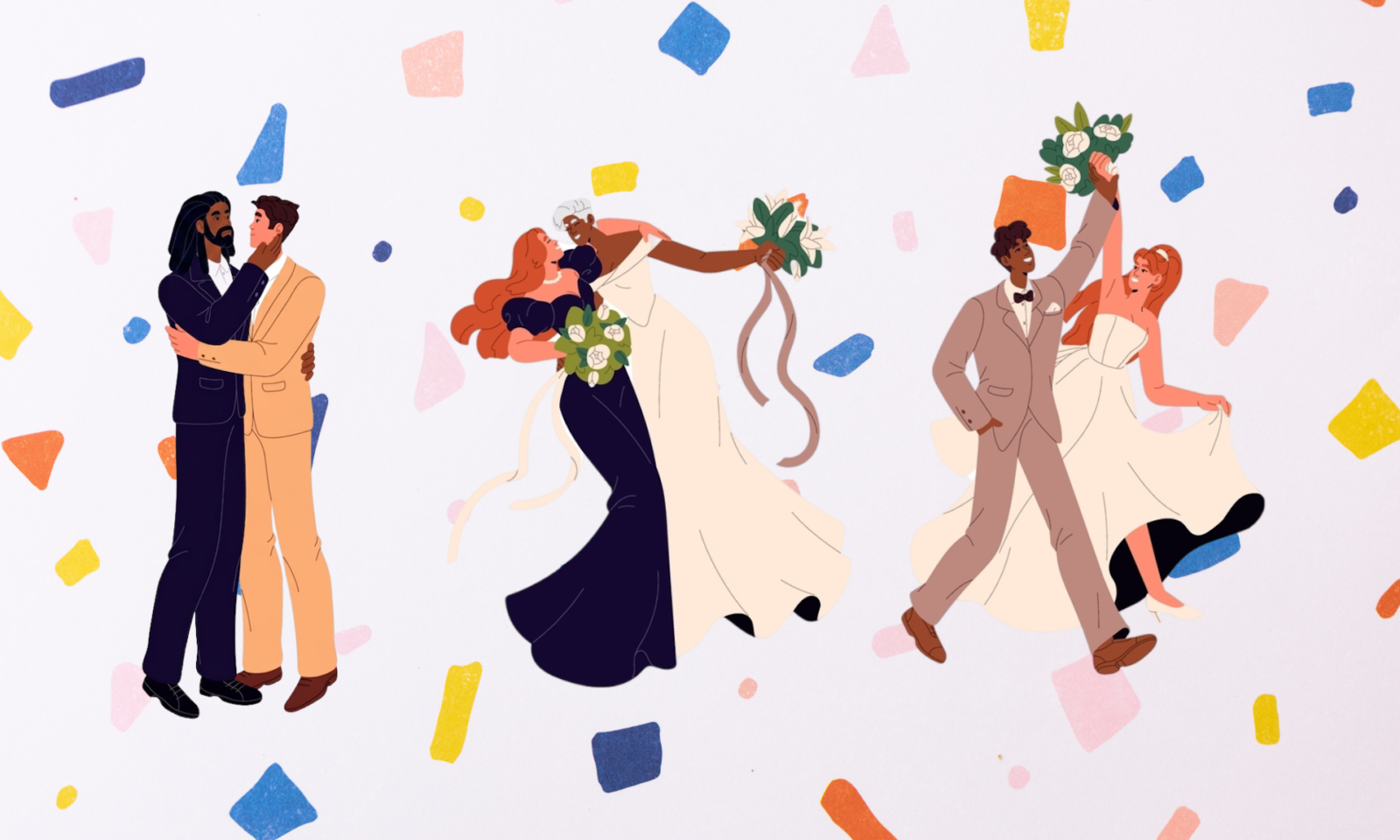
Modern British society has witnessed a steady decline in formal religious observance over recent decades, yet the institution of marriage remains remarkably resilient among younger generations. Observers of contemporary family life frequently ponder why weddings continue to draw significant emotional and financial investment in an increasingly secular era. Rather than disappearing, the traditional wedding ceremony appears to have quietly absorbed many of the solemn values once exclusively tied to faith and public civic life.
Sociological commentary suggests that contemporary couples approach marriage not as a strict religious obligation, but as a personal milestone and a profound public declaration of commitment. Even without theological frameworks, individuals seek formal rituals to anchor major life transitions. This enduring desire for ceremony mirrors how communities have historically preserved shared traditions through cultural institutions and public celebrations, adapting ancient forms to suit modern values.
In practice, secular weddings often replicate the solemnity, vows, and community gatherings traditionally found in houses of worship. Couples frequently craft bespoke ceremonies that emphasize personal authenticity, lifelong partnership, and shared responsibility. By reimagining these time-honored rituals, younger adults demonstrate that the underlying human need for formal commitment transcends organized religion.
Ultimately, the persistence of marriage highlights a broader cultural trend in which secular society reinterprets traditional structures rather than abandoning them entirely. As public attitudes toward family and partnership continue to evolve, the wedding ceremony remains a central pillar of British social life, bridging the gap between personal autonomy and shared tradition.