

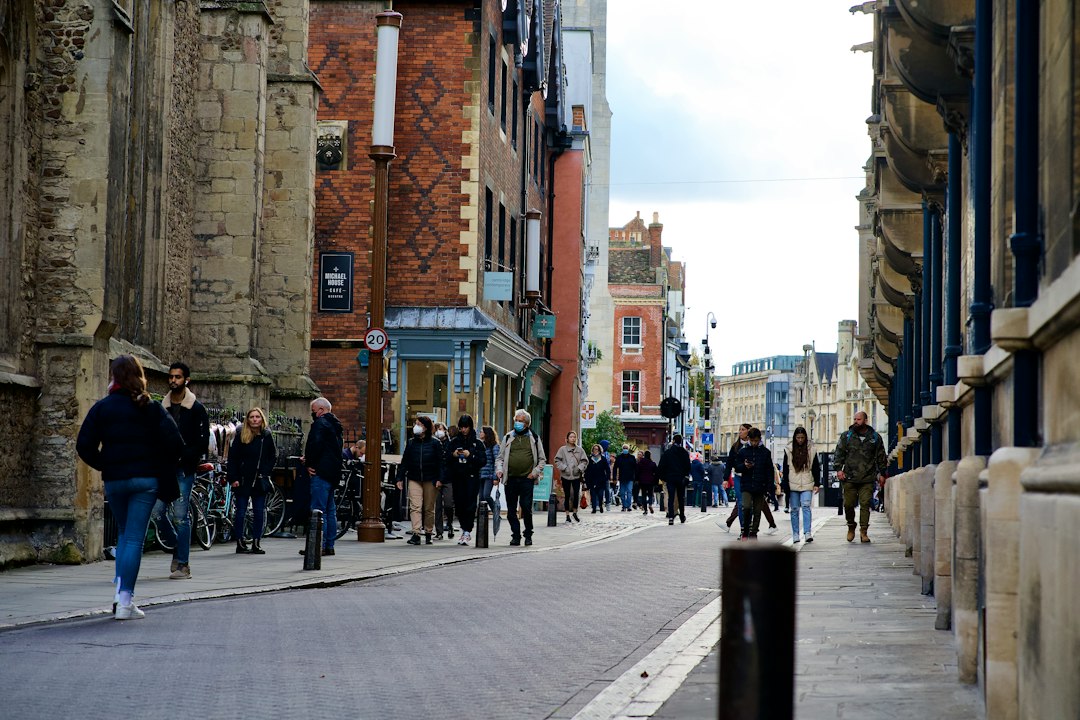
Cambridge local democracy civic participation forms the foundation of how public life, municipal services, and community representation operate across the city and its surrounding regions. Understanding these systems requires navigating a complex multi-tier local government structure that divides responsibilities among distinct administrative bodies. Residents often interact with multiple councils depending on whether they need road repairs, housing support, or strategic planning oversight. This separation of powers is designed to ensure local issues are managed at the most appropriate geographic level, balancing hyper-local neighborhood needs with wider regional economic strategies. Examining these governance frameworks helps residents recognize how their vote and engagement shape everyday public services in a historic university city.
What Is Cambridge local democracy civic participation?
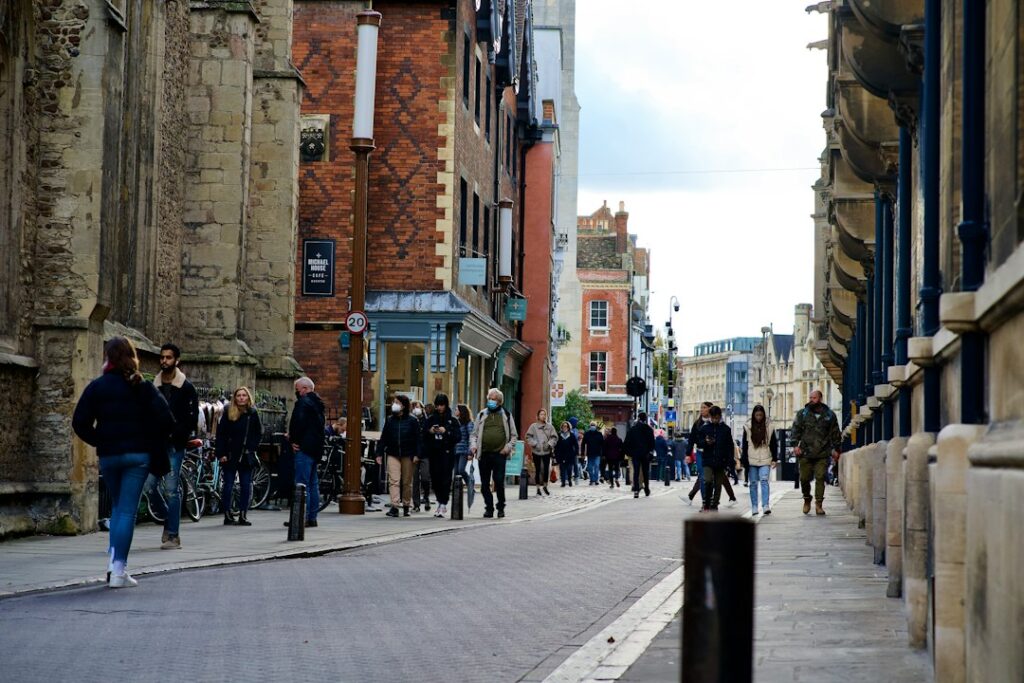
Cambridge local democracy civic participation encompasses the formal and informal ways residents engage with local authorities, participate in elections, and influence public policy. The city operates primarily under a two-tier local government system, supplemented by regional combined authority structures. This division means that responsibilities for statutory services are shared between city-level politicians and county-level administrators. Public engagement extends beyond casting a ballot every few years, involving consultations, council meetings, and neighborhood forums where citizens can voice opinions on planning applications, local budgets, and community initiatives.
At the most immediate municipal level, Cambridge City Council handles services that directly affect daily urban life. These responsibilities include council housing management, waste collection, street cleaning, local parks maintenance, and environmental health regulation. Additionally, the city authority plays a central role in local planning control, determining how new developments fit into the urban landscape while preserving historic architecture. Such municipal functions require close coordination with regional bodies to ensure that urban growth aligns with environmental sustainability goals and broader housing strategies across Greater Cambridge Local Plan consultations.
Beyond the urban boundaries of the city, Cambridgeshire County Council manages a broader portfolio of public responsibilities that cover both urban and rural settlements. The county authority oversees education, social care for children and adults, high-level library services, trading standards, and major transport infrastructure including county roads and highways. Because these services affect vulnerable populations and regional connectivity, county elections draw significant attention from voters interested in public welfare spending and education standards. Managing these disparate responsibilities demands careful administrative separation from city-level politics, ensuring that urban priorities do not overshadow rural community needs.
Regional Governance and Devolution
In addition to municipal and county councils, the wider area falls under the remit of the Cambridgeshire and Peterborough Combined Authority. This regional body is led by a directly elected mayor and brings together local council leaders to drive economic growth, transport planning, and adult education funding across the region. Regional devolution initiatives have increasingly shifted decision-making powers from central government departments in Whitehall to local leaders, a trend explored further in discussions on devolution and local democracy. The combined authority focuses on strategic investments that cross traditional council boundaries, such as regional public transport networks and housing delivery partnerships.
Electoral participation within these various tiers relies on established democratic traditions overseen by national electoral bodies and local returning officers. Citizens cast their ballots to elect city councillors, county councillors, and the regional mayor, with voting procedures governed by national legislation. Recent electoral changes, including mandatory voter identification requirements at polling stations, have introduced new administrative steps for voters, mirroring trends analyzed in assessments of Voter ID in Cambridge. Civic groups and electoral administrators continually work to ensure that voters understand these requirements so that turnout remains robust across all demographic groups.
Civic Engagement Beyond the Ballot Box
Effective local democracy relies heavily on active community participation that continues long after polling day has passed. Residents can attend public council meetings, submit petitions, and participate in formal consultations regarding local development frameworks and public spending priorities. Local authorities maintain statutory duties to consult the public on major policy changes, giving residents a direct voice in shaping their neighborhoods. Community associations, parish councils on the urban fringes, and voluntary sector organizations act as vital bridges between ordinary citizens and municipal decision-makers, amplifying local concerns.
Maintaining transparency and accountability in local government requires continuous effort from both elected representatives and engaged residents. Freedom of information requests, public question times at council sessions, and scrutiny committees allow the public to hold administrations accountable for their service delivery and financial management. As Cambridge navigates rapid economic growth, demographic shifts, and pressures on public infrastructure, robust civic participation remains essential for balancing competing priorities. By understanding which council is responsible for specific services, residents can direct their advocacy effectively, ensuring that local democracy serves the community with clarity and responsiveness.
As governance arrangements continue to evolve in response to regional devolution and administrative reform, the active involvement of Cambridge residents will remain a cornerstone of effective public administration. Whether through voting in local elections, engaging with council consultations, or joining community forums, civic participation ensures that public bodies remain accountable to the communities they serve. A well-informed electorate strengthens the democratic fabric of the city, enabling local authorities to address complex challenges while preserving the unique character of Cambridge.
References:
- Cambridge City Council (2024) Governance structure and municipal service delivery framework.
- Cambridgeshire County Council (2024) Democratic responsibilities and statutory service portfolios.
- Cambridgeshire and Peterborough Combined Authority (2023) Regional devolution powers and strategic planning guidelines.
- Electoral Commission (2024) Guidance on local democracy, voter participation, and electoral administration in the United Kingdom.