


University Student Wellbeing is a critical focus for UK higher education as institutions work to balance academic pressure with student mental health.
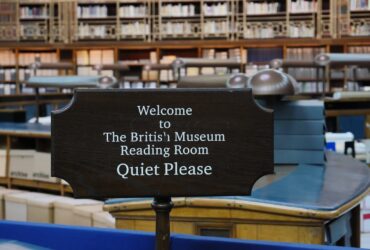
Cambridge reading culture now spans printed books, digital collections, libraries and shared spaces that support sustained attention and access to knowledge.
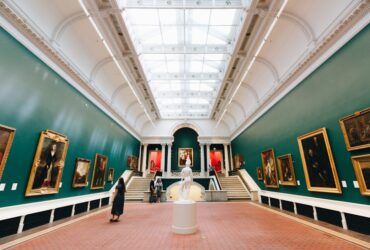
Cambridge museums turn collections into learning through school sessions, workshops and public programmes across art, science and archaeology.

Cambridge housing remains expensive even as prices soften, with high rents and supply constraints keeping affordability at the centre of local policy.
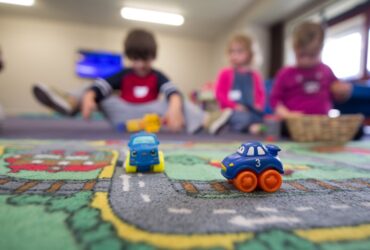
Cambridgeshire early years education combines the EYFS framework with funded childcare and local support for families and providers.

Cambridge high streets are adapting to new retail habits, business-rate changes and demand for more mixed-use city-centre experiences.

Cambridge libraries combine books and study space with digital inclusion, online collections and practical community support.

Cambridge Council Tax bills rose for 2026/27, with Band D reaching £2,467.02 before discounts or support.
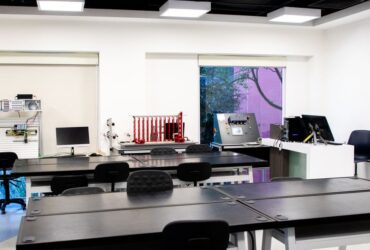
Cambridge spinouts translate university research into companies through intellectual property, investment and commercialisation support.

Digital inclusion in Cambridgeshire depends on connectivity, devices, skills and practical support as more services move online.