


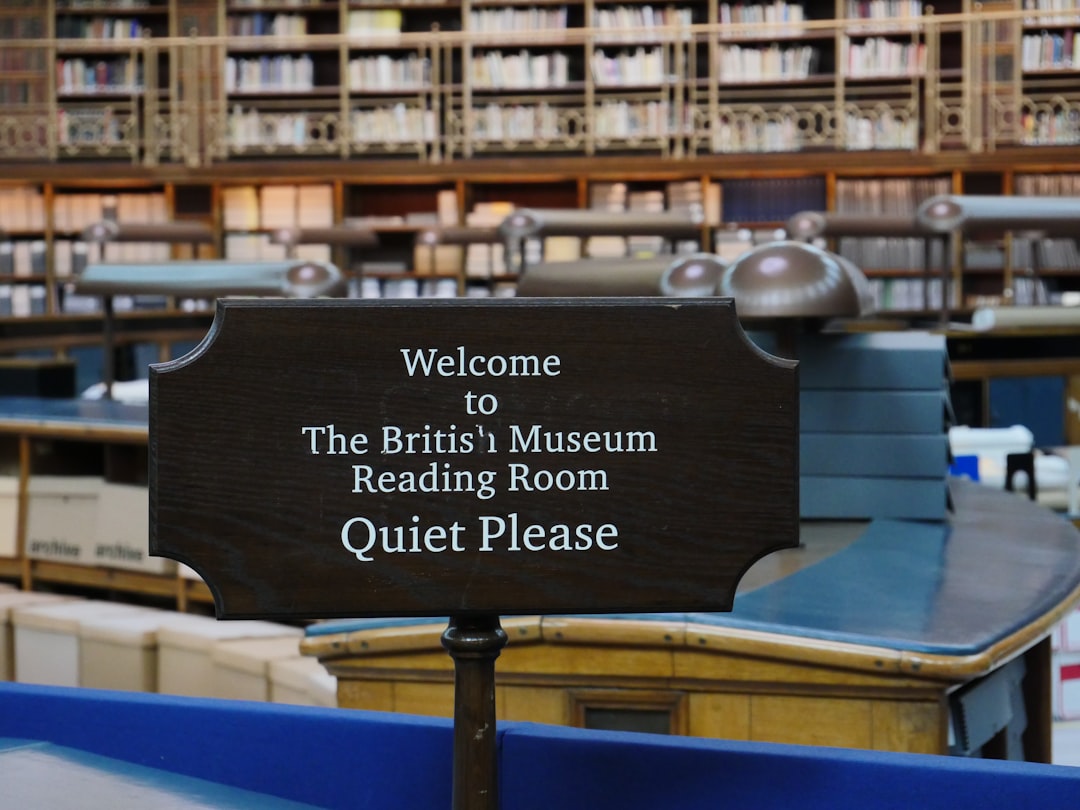
British Reading Culture serves as a central pillar of intellectual life, providing a framework for how citizens engage with complex ideas and civic discourse. In an era dominated by rapid information cycles and digital fragmentation, the act of sustained reading remains a vital cognitive practice. While screen-based consumption has reshaped the way information is disseminated, the appetite for long-form content persists across various social strata. Understanding how these habits adapt to the demands of contemporary life reveals a nuanced picture of engagement rather than a simple narrative of decline. Education systems and local institutions continue to play a critical role in supporting these habits, ensuring that the capacity for deep focus is nurtured alongside digital literacy.
What Is British Reading Culture in the Age of Distraction?
The contemporary landscape of engagement is defined by the tension between instant gratification and the slow, deliberate pace required for substantial literary works. Digital distraction often presents itself as an obstacle to focused reading, yet it also provides new avenues for accessibility and discovery. Many readers now move fluidly between physical books, audio formats, and digital journals, effectively diversifying their consumption habits rather than abandoning them. This flexibility suggests that the core of the practice is not tied to a specific medium but to the sustained attention required to unpack intricate arguments or immersive narratives.
Educational institutions have responded to this transition by integrating digital media into their curricula while maintaining a focus on critical analysis. The objective is to foster a relationship with information that balances breadth of coverage with depth of understanding. By framing digital tools as complementary to traditional reading, educators help students develop the cognitive stamina necessary for university-level research and civic participation. This approach acknowledges that modern attention is not inherently flawed but requires more intentional cultivation than in previous generations.
The Role of Institutions and Shared Spaces
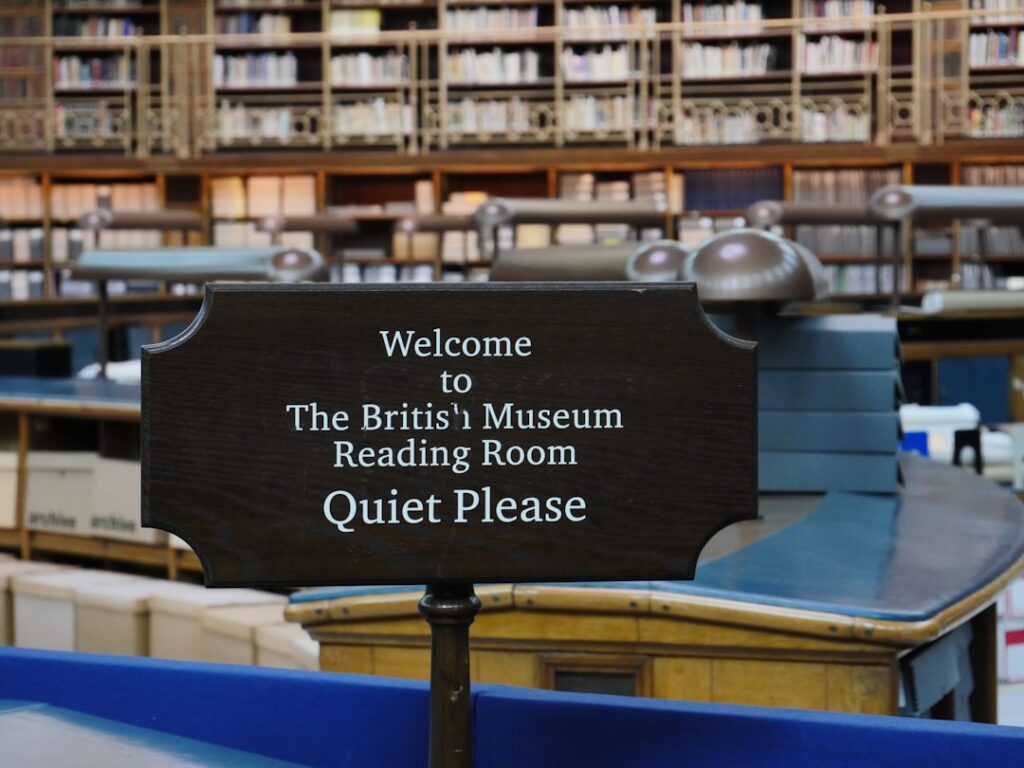
Physical environments remain essential for fostering a consistent engagement with literature. Local institutions provide more than just the material for reading; they offer the social infrastructure necessary for intellectual exchange. As noted in recent discussions regarding public libraries in Britain, these spaces act as hubs for community life, where the act of reading is validated as a shared social value. By providing quiet areas and access to curated collections, these sites allow individuals to step away from the constant barrage of notifications and engage with thought-provoking content in a contemplative environment.
Beyond libraries, the broader educational landscape contributes to how reading is perceived as a lifelong pursuit. The integration of museum learning and public education demonstrates a commitment to diverse modes of knowledge acquisition. When individuals engage with curated exhibitions, they are essentially performing a form of visual and narrative reading that translates well into their literary lives. This synthesis of visual literacy and textual engagement helps reinforce the importance of patience and careful observation in a world that often rewards haste.
Technological Integration and Cognitive Habits
The impact of technology on reading habits is often framed as purely negative, yet this ignores the ways in which digital tools can support deeper engagement. Readers who navigate dense academic or political texts often utilize digital tools to cross-reference citations, verify data, or engage with supplementary analysis. This additive layer of information can enhance the experience of reading, provided the reader possesses the discipline to remain focused on the primary text. The challenge, therefore, lies in managing the influx of secondary data without allowing it to fracture the primary reading experience.
Public discourse around this topic frequently highlights the necessity of “digital hygiene.” This includes setting aside dedicated time for uninterrupted reading to train the brain to resist the pull of multitasking. Many find that structuring their day to include “offline” periods allows for a return to longer texts with a renewed sense of clarity. The goal is not to reject technology, but to exercise agency over how it occupies one’s cognitive space. By recognizing that attention is a finite resource, readers can make more informed choices about the quality of the content they permit to fill their time.
Sustaining Interest in a Fragmented Landscape
Maintaining a high level of literary engagement requires proactive strategies that bridge the gap between historical habits and future needs. It is rarely about returning to a perceived golden age of print, but rather about refining the skills needed to process nuanced information in a complex digital era. The resilience of book clubs, literary festivals, and academic discussions in the UK proves that there is a genuine desire for communal intellectual activity. These gatherings translate the solitary act of reading into a collective exploration of ideas, grounding personal insights in the reality of public opinion and shared experience.
Furthermore, the pedagogical approach in schools is shifting toward active engagement with media literacy. Rather than viewing books as static artifacts, students are taught to interrogate the logic, structure, and intent behind what they read, whether it is a contemporary novel or a historical document. This rigorous engagement prepares the next generation to be discerning consumers of information who are less likely to be swayed by superficial digital trends. By prioritizing these analytical skills, the educational system ensures that the habit of reading remains a robust tool for personal and societal growth.
Adapting to the modern world requires a shift in how we conceive of intellectual focus. It is no longer about shielding ourselves from the digital environment, but about building the internal capacity to navigate it effectively. The habit of reading serves as a necessary anchor in this process, providing the consistency and depth of reflection that other mediums struggle to emulate. As long as this practice is championed within our schools and community spaces, it will continue to shape the intellectual contours of British life for years to come. Ensuring that we prioritize these habits will allow for a more thoughtful engagement with the challenges and opportunities of the future.
References
- Cambridge Post. (2023). Public Libraries in Britain and Community Life.
- Cambridge Post. (2023). Museum Learning and Public Education in Britain.