


Cambridge tourism economy local business is a delicate ecosystem woven from ancient colleges, world‑renowned museums, independent shops and a hospitality sector that depends heavily on visitor spending. In a normal year the city welcomes well over seven million tourists, who collectively inject hundreds of millions of pounds into restaurants, hotels, walking‑tour operators and riverside pubs. That spending supports thousands of jobs and keeps many high‑street names viable, yet the same footfall also strains narrow medieval streets, pushes up short‑term letting pressure and raises questions about who truly benefits. For a compact city of around 145 000 residents, the line between a thriving visitor hub and an overcrowded heritage theme park can feel perilously thin, making it essential to understand the tourism economy not as an abstract success story, but as a daily reality for local businesses and residents alike.
What Is Cambridge Tourism Economy Local Business?
At its core, the phrase describes the network of small, medium and micro‑enterprises whose revenue is directly or indirectly linked to people visiting the city. This network stretches far beyond the classic punting stations and college gift shops. It takes in cycling‑tour guides, artisan bakeries on Mill Road, family‑run B&Bs in Chesterton, bookshops on Trinity Street, market‑stall traders and even the taxi drivers who shuttle visitors between the railway station and the Backs. Unlike a coastal resort where tourism is visibly concentrated in a single season or district, Cambridge’s visitor economy is infused through the entire urban fabric, often invisible to residents until the summer crush arrives.
What makes this economy distinctive is the degree to which it piggybacks on institutions whose primary purpose is education and research. The University of Cambridge, its 31 colleges and the university‑associated museums are not commercial tourist attractions in the ordinary sense, yet their architecture, gardens and collections draw coach‑loads of domestic day‑trippers and high‑spending international travellers. Local firms that supply these visitors – from guided tour operators to the cafés inside the Fitzwilliam Museum – therefore sit at the intersection of academic life and high‑street commerce, a tension that shapes opening hours, access rules and pricing strategies.
Cambridge City Council’s economic and tourism strategies have long recognised this interweaving, arguing that visitor‑spending data must be interpreted separately from the wider Cambridgeshire figures that blend city, market‑town and rural tourism into one aggregate. When national bodies such as VisitBritain release headline statistics, they typically cover the East of England or Cambridgeshire as a whole; city‑level data require a finer grain, and the council’s own visitor‑economy assessments are the more reliable guide for anyone wanting to understand what happens inside the city boundary (Cambridge City Council, 2022). At the same time, VisitBritain statistics provide a useful benchmark for inbound‑market recovery and changing travel patterns that directly affect Cambridge’s overseas‑visitor base (VisitBritain, 2023).
The Role of Colleges and Cultural Institutions
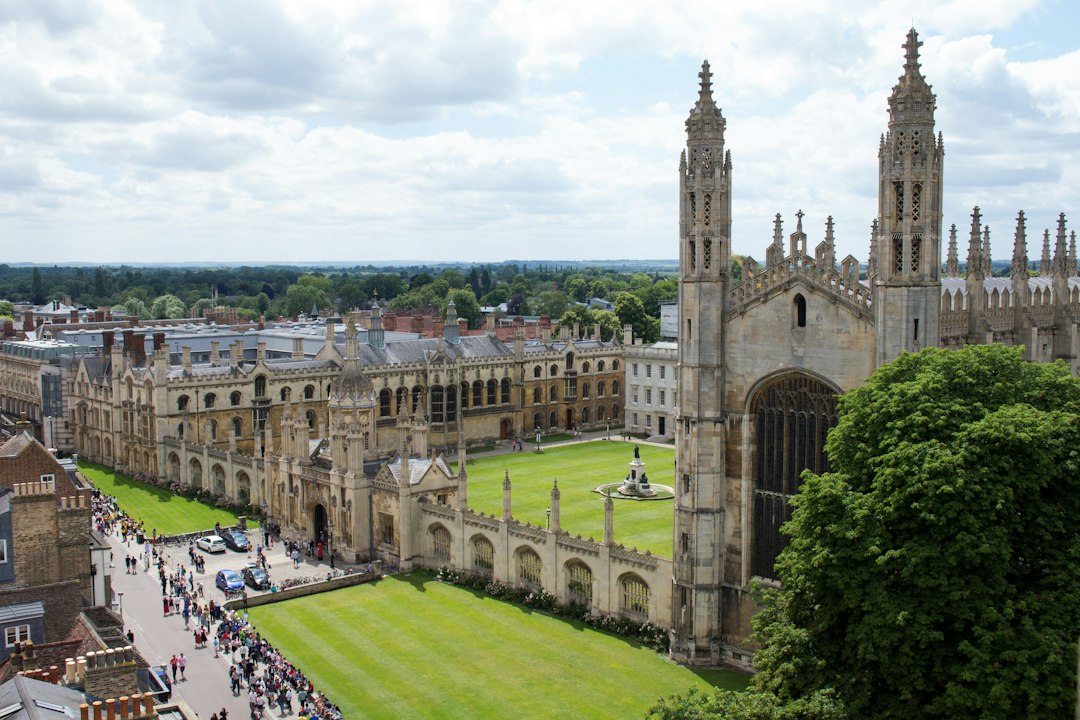
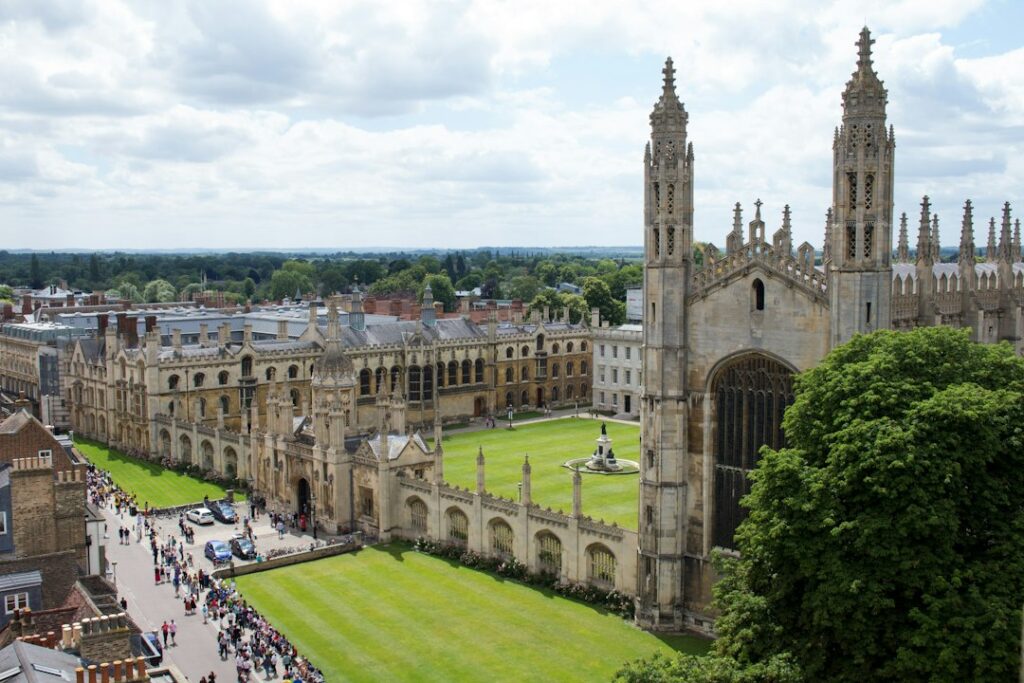
Walk from Market Square to King’s Parade on a bright Tuesday morning and the symbiosis between heritage and local business becomes visible. King’s College Chapel, a cash‑desk operation that charges an entry fee to most non‑resident adults, generates income that the college ploughs back into maintenance and a small staff, while the neighbouring fudge shop and souvenir retailer rely on those same ticket‑holders spilling out on to the pavement. The University’s official visitor‑information pages stress that opening arrangements vary widely: some colleges are free to wander, others impose strict seasonal hours and admission charges that are revised annually, and last‑minute closures for exams or private events are common (King’s College Cambridge, 2023). For a tour guide building an itinerary, that uncertainty demands constant checking; for a family that has travelled from overseas assuming open‑door access, disappointment can quickly sour an otherwise memorable visit.
The Fitzwilliam Museum on Trumpington Street is a different case, because its permanent collection is free of charge, a deliberate policy that the museum frames as broadening public access while still encouraging in‑café and gift‑shop spending (Fitzwilliam Museum, 2023). Even so, footfall data underline a pronounced seasonality: a spike in July and August followed by a quieter autumn that challenges the café staff rotas and the museum’s own ability to keep temporary‑exhibition costs covered without heavy university subsidy. This seasonality, replicated across the colleges, punt‑hire firms and hop‑on‑hop‑off bus services, creates a distinctly lopsided annual cash‑flow pattern that local businesses must budget for carefully, especially those without the deep endowment cushions of a centuries‑old institution.
Hospitality, Retail and Everyday Spending
Restaurants, coffee shops and independent boutiques form the most visible commercial layer, and here the dependence on visitor wallets is hard to exaggerate. Cambridge City Council’s most recent tourism‑impact assessment estimates that overnight visitors spend roughly four times as much as day‑trippers, supporting a hotel‑room stock that has expanded steadily in the CB1 station quarter and the northern business‑park belt (Cambridge City Council, 2022). Those extra beds are a year‑round asset for the city’s conference and research economy, but occupancy rates still swing wildly, pushing many hotels to raise summer prices and trim winter staffing. For high‑street retailers, the tourist pound often keeps a shop open when local residential custom alone would be insufficient, a pattern that becomes especially clear when comparing footfall on Regent Street in January versus a bustling May bank holiday. This is one reason why trends in high street footfall are so closely watched by the city’s business community.
The benefits, however, are not evenly spread. A punting‑company owner or a college‑linked gift shop may prosper, but a corner‑shop grocer serving low‑income wards sees little positive spill‑over from a surge in Japanese honeymooners. Meanwhile the rise of short‑term holiday‑let platforms has drawn a growing number of residential properties out of the long‑term rental market, contributing to the very housing affordability crisis that already pushes key hospitality workers further from the city centre. For a local café owner trying to recruit a barista who can afford to live on a bus route, those interconnected pressures can become a daily recruiting headache. This uneven distribution of tourism’s economic gains mirrors the broader uneven opportunity that marks much of Cambridge’s prosperity.
Transport, Overcrowding and Seasonal Pressures
Getting visitors into, around and eventually out of the city is the logistical puzzle that most visibly exposes the tension between economic gain and liveability. Coach‑drop zones near Silver Street and cycle‑choked roundabouts during the summer school‑exam period have long features of the local‑government agenda. Cambridge City Council’s tourism‑management documents repeatedly emphasise the need to reduce private‑car‑dependent day‑trip arrivals, promote park‑and‑ride and manage coach flows in ways that do not merely shift congestion to residential streets (Cambridge City Council, 2022). The arrival of more electric‑bus services and e‑cargo‑bike delivery trials has helped at the margins, but the sheer density of the medieval core means no single intervention eliminates the seasonal crush.
Crucially, overcrowding is not simply a nuisance for residents; it chips away at the very visitor experience that sustains the economy. When queues for King’s College Chapel snake round the courtyard for 40 minutes under a hot July sun, the risk is not merely a disgruntled traveller but a negative review that nudges future trade to competing heritage cities. The VisitBritain inbound‑sentiment surveys indicate that perceptions of crowding and authenticity are becoming more important to overseas markets, making a managed‑visitor‑flow strategy an economic as well as a quality‑of‑life necessity (VisitBritain, 2023). For the small businesses that sell premium experiences – a literary walking tour, a private‑punting champagne trip – a reputation for a relaxed, uncrowded Cambridge is an invisible balance‑sheet asset that can be eroded faster than it can be rebuilt.
Rather than assuming that more visitors always equal a healthier local economy, a growing number of business owners and council officers are asking a different question: what pattern of visitor spending delivers the highest net benefit after accounting for environmental wear, congestion costs and the creeping loss of year‑round residential community? There is no simple answer, but the framing itself reflects a maturing conversation in a city that has learned to be wary of treating growth as an automatic good. Any future tourism strategy will have to weigh the bustling till at a market‑day coffee stall against the empty winter street where only the bookshop cat keeps the tills warm, and decide what kind of visitor economy Cambridge actually wants to be.
References
- Cambridge City Council (2022). Local Economic and Tourism Strategy: Visitor‑Economy Evidence Base. Cambridge.
- VisitBritain (2023). Inbound and Domestic Tourism Statistics. London.
- King’s College Cambridge (2023). Visitor Information and Opening Times. Cambridge.
- Fitzwilliam Museum (2023). Plan Your Visit. Cambridge.